AI in Education - Statistics and Trends (2026)

At boterview, we believe that AI is about to change education forever.
More and more students are learning with new educational tools, such AI tutors, interactive quizzes, and smart flashcards.
Let's explore the latest statistics and trends on AI in education that indicate a revolution is underway.
Key Statistics and Trends
- 89% of students admit to using ChatGPT for homework
- Most teachers disapprove of students using AI, yet 77% say AI is useful for preparing lessons and performing administrative tasks
- 70% of parents believe AI does not have a positive impact on their children's education
55% of teachers report improved educational outcomes with AI in the classroom (Forbes)
Forbes Advisor surveyed 500 practicing educators from around the U.S. about their experiences with AI in the classroom.
More than half of teachers (55%) report improved student outcomes when using AI tools.
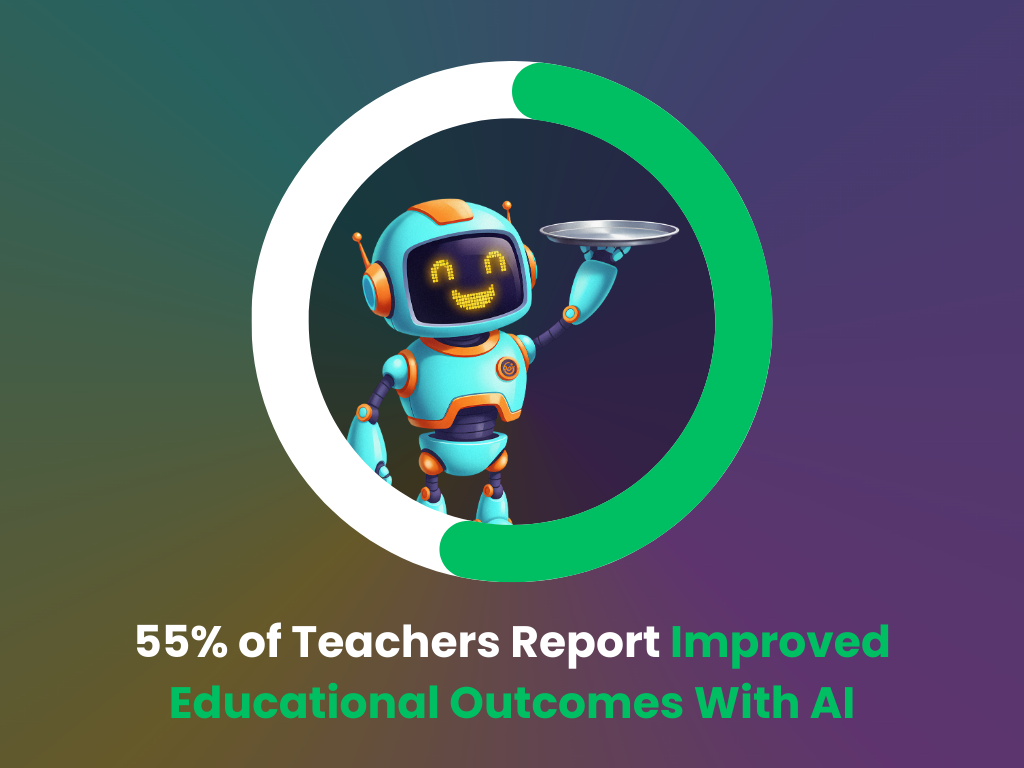
AI improves educational outcomes because it allows teachers to personalize lessons and focus more on mentoring students rather than routine administrative tasks.
89% of students admit to using Openai’s ChatGPT for homework (Forbes)
A survey published on Forbes indicates that ChatGPT is now embedded in students’ academic routines.
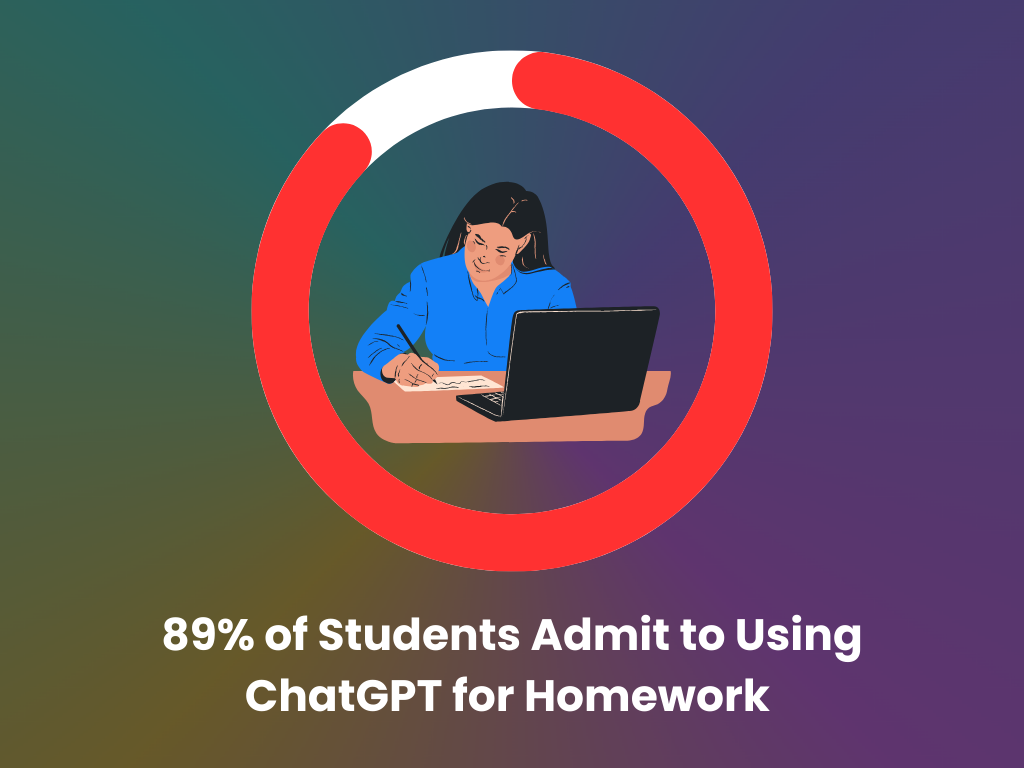
While AI is great for students who want to improve their writing and reasoning, it is a concern for teachers who worry about academic integrity and plagiarism.
Most teachers claim they use AI detectors to check whether student work reflects the student’s own effort and understanding of the subject.
70% of teachers think that the use of AI in assignments constitutes plagiarism (EdNC)
Most teachers believe that using AI tools for homework constitutes plagiarism.
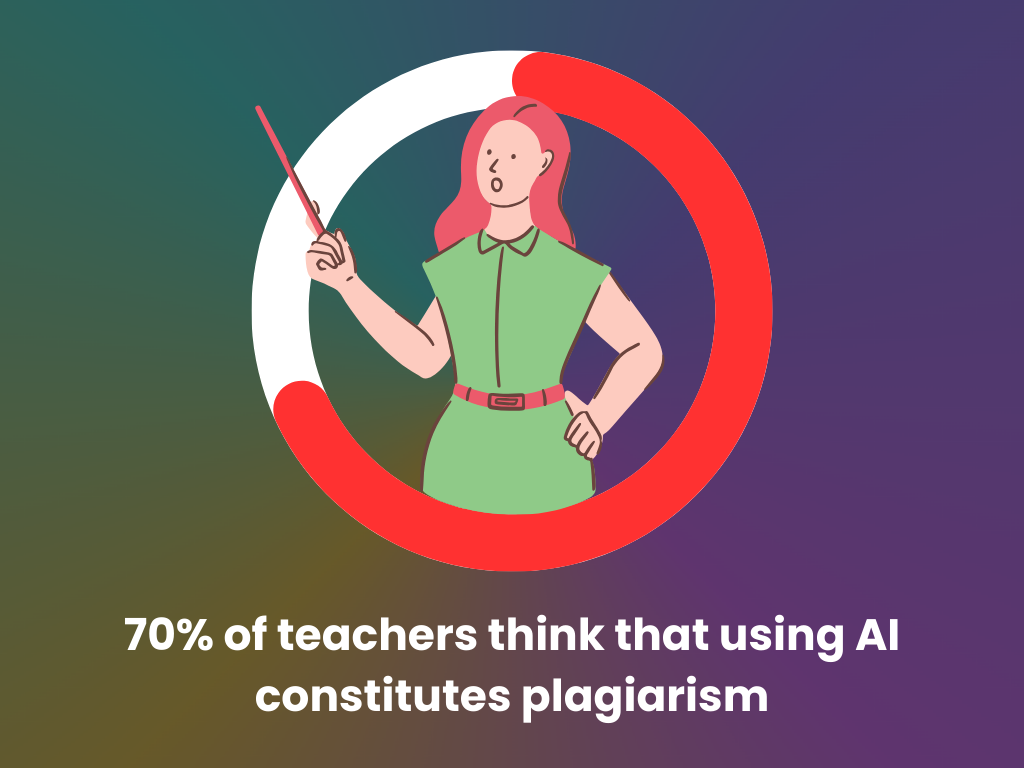
This highlights a misunderstanding between students and teachers.
In my opinion, rather than rejecting AI outright or imposing blanket bans, schools should encourage its use by establishing clear guidelines that define what constitutes ethical use.
Spending on AI in the education sector is expected to reach $32.27 billion by 2030 (Grand View Research)
According to Grand View Research, the global AI market in education was valued at approximately USD 8.35 billion in 2025 and is projected to grow at a compound annual growth rate (CAGR) of 31.2% from 2026 to 2030.
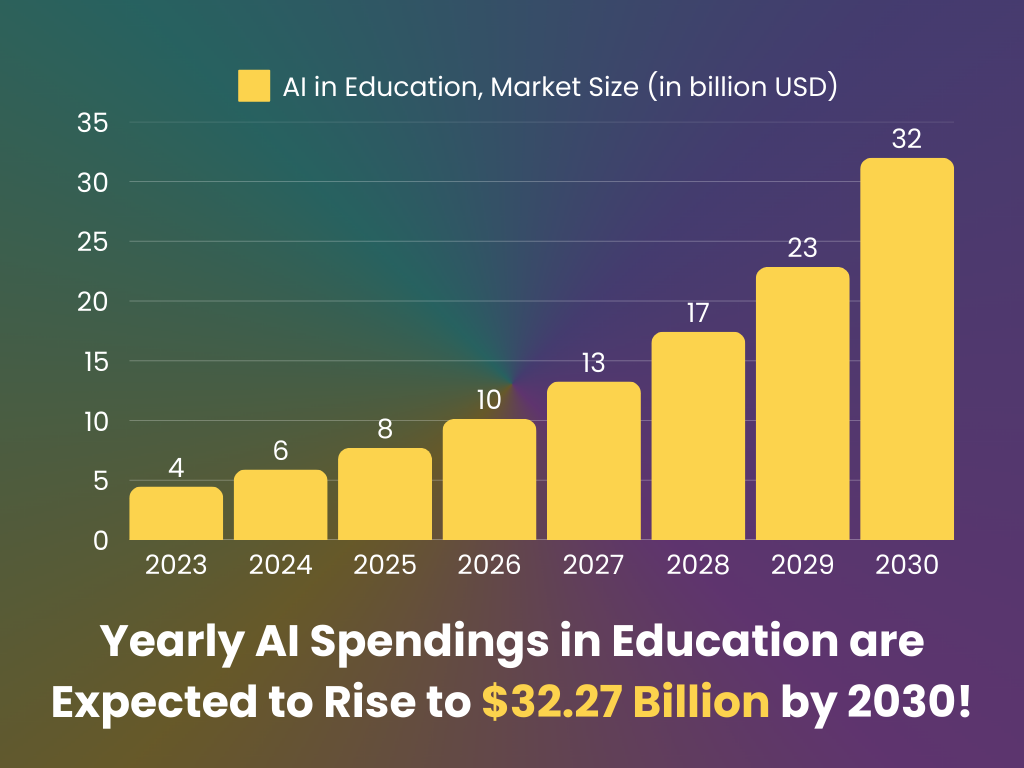
Educational institutions are adopting AI-powered tools such as Intelligent Tutoring Systems (ITS), chatbots, and learning analytics to enhance student engagement and optimize teaching methods.
This shift is also fueled by online learning platforms and growing investments in EdTech startups.
69% of students use AI to search for information (Digital Education Council)
In a survey by the (Digital Education Council), students were asked what they used AI tools for.
Here are the five most common use cases:
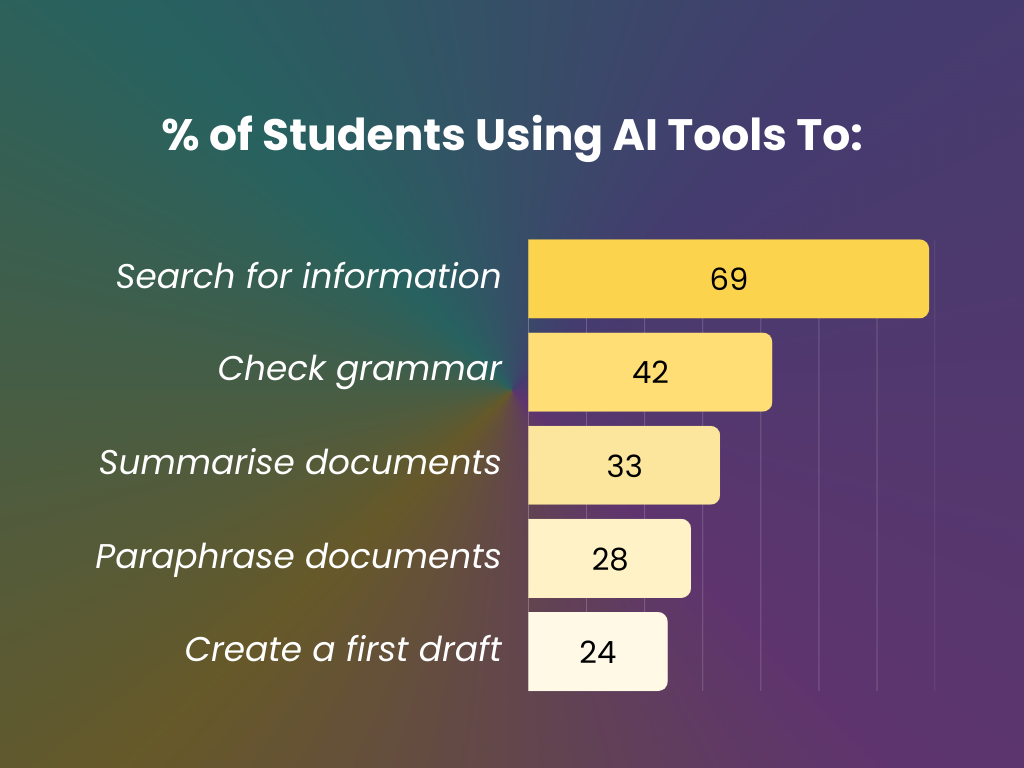
This survey shows that students primarily use AI as an assistance tool rather than a plagiarism machine.
77% of teachers say AI is useful for preparing lessons and performing administrative tasks (EdTech Magazine)
Most teachers disapprove of students' use of AI, yet they like to use the technology for lesson preparation and administrative tasks.
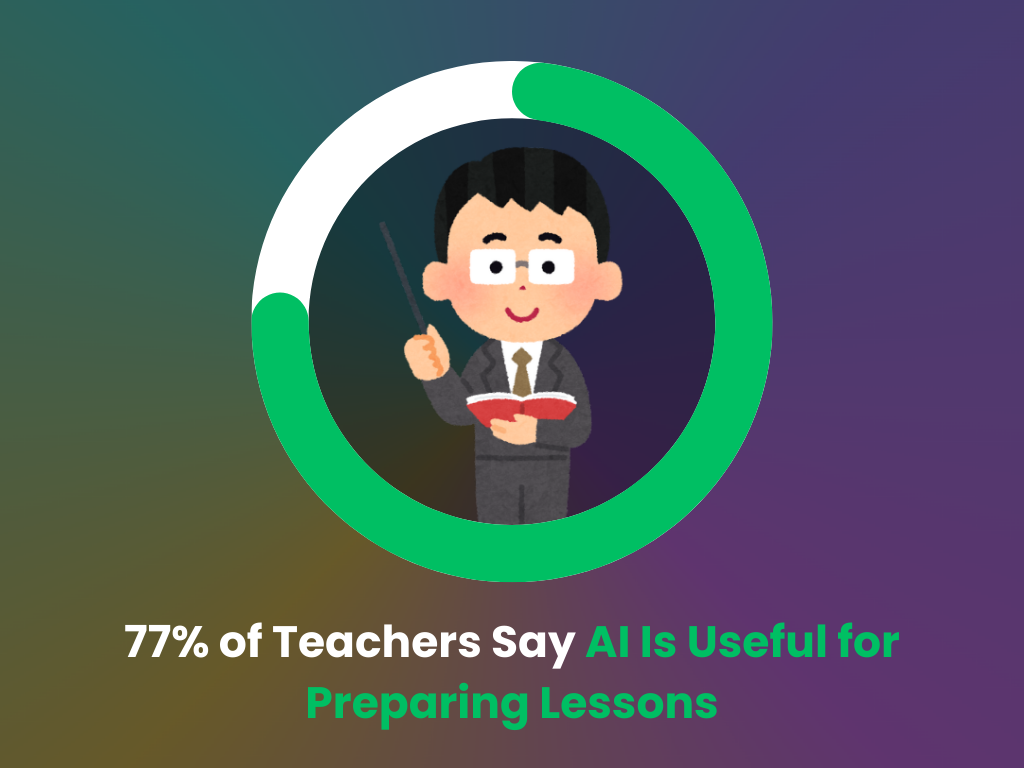
While there is great optimism among educators, districts lag in actually implementing AI, with only 35% stating that they have a generative AI initiative in place.
AI-based administrative tools reportedly reduce teachers' administrative workload by 30%.
70% of parents believe AI does not have a positive impact on their children's education (internet matters)
In a survey by Internet Matters, only 30% of parents said AI had a positive impact on their children’s education.
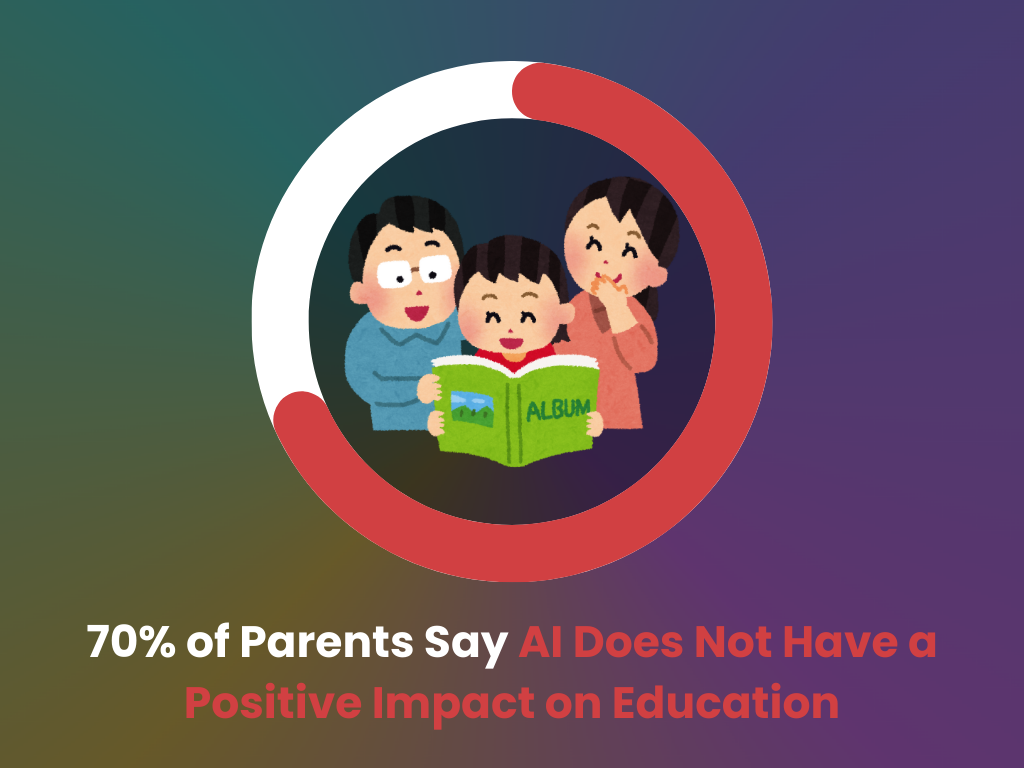
They believe that an over-reliance on AI could lead to a decrease in the importance given to fundamental skills such as problem-solving and creativity.
For AI to truly benefit the classroom, educators must work closely with parents, clearly communicating how these tools are integrated to support, not replace, conventional teaching methods.
73% of students believe universities should offer AI literacy training (Digital Education Council)
More and more students believe that artifical intelligence is not just a technological trend but an important tool.
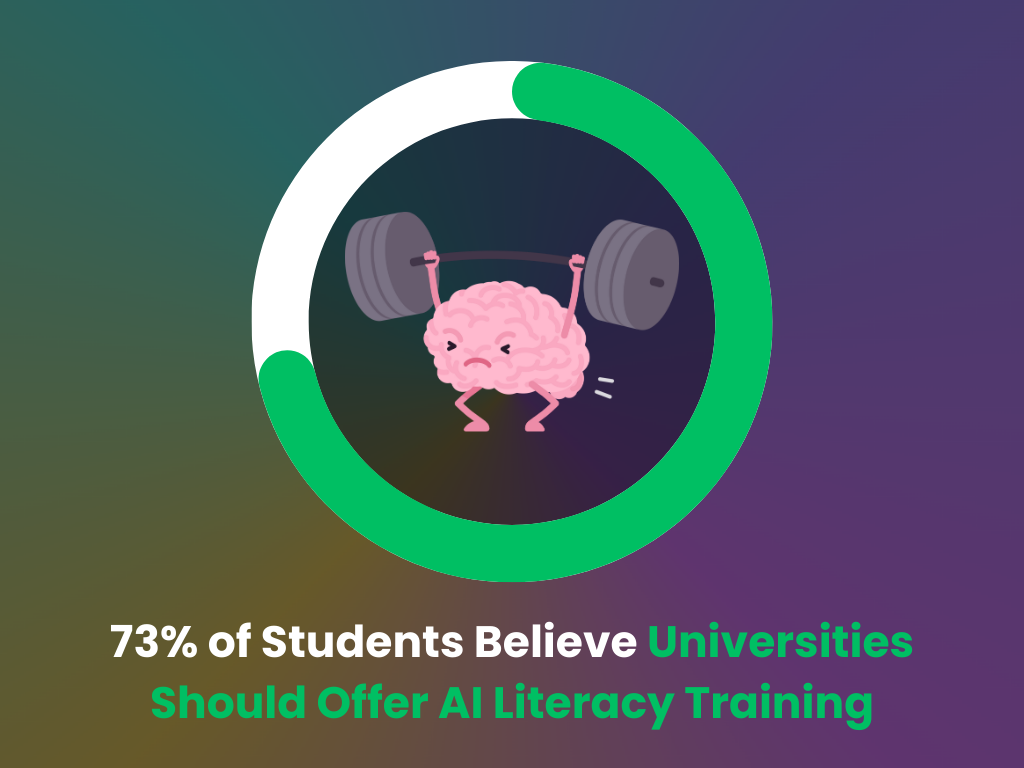
There is no doubt that understanding the capabilities and limitations of AI is essential for their future employability.
Students are also increasingly aware of the societal risks associated with AI, including algorithmic bias, data privacy concerns, and job losses due to automation. They want universities to address these challenges by offering courses that combine technical training with ethical reasoning.