How to Create a Course With AI: 5 Steps That Actually Work

Ask a chatbot to "create a course" and you usually get a long wall of text that you read once and forget.
I built boterview's course generator after testing dozens of ways to turn a topic into something you can actually learn from.
The difference between a good AI course and a bad one is rarely the AI. It's how you set it up.
Here are the 5 steps that actually work, each backed by research.
1. Write a Specific Goal, Not a Topic
"Biology" is a topic. "Pass my cell division exam in three weeks" is a goal.
Before you prompt anything, write one sentence with what you want to be able to do, your current level, and your deadline.
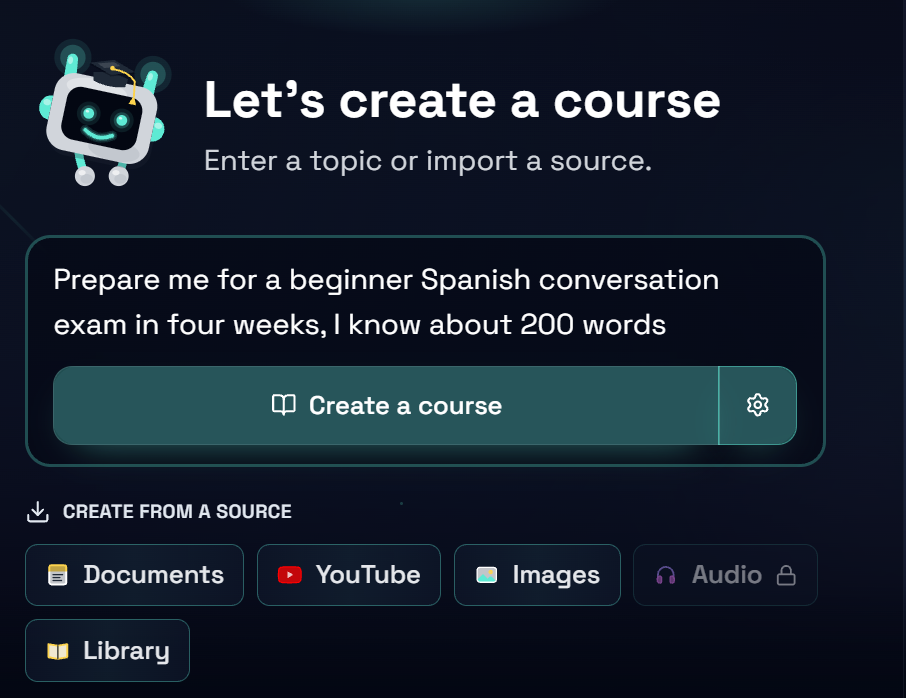
For example: "Prepare me for a beginner Spanish conversation exam in four weeks, I know about 200 words."
Decades of goal-setting research back this up: in their review of 35 years of studies, Locke and Latham (2002) found that specific, challenging goals lead to better performance than vague "do your best" goals.
The same is true for an AI: a precise goal gives it something to aim at, so it can decide what to include and what to leave out.
In Boterview, that sentence is all you need to type to start a course:
2. Give the AI Your Own Material
If you have an exam, a certification or a book to master, don't let the AI guess what matters.
Upload the actual slides, notes or chapters, so the course is built on what you'll be tested on.
In my experience, a course built from your own material is also the one you're most likely to finish, because every lesson feels relevant.
Memory researchers call this transfer-appropriate processing: in a classic experiment, Morris, Bransford and Franks (1977) showed that learning pays off most when the way you study matches the way you're tested.
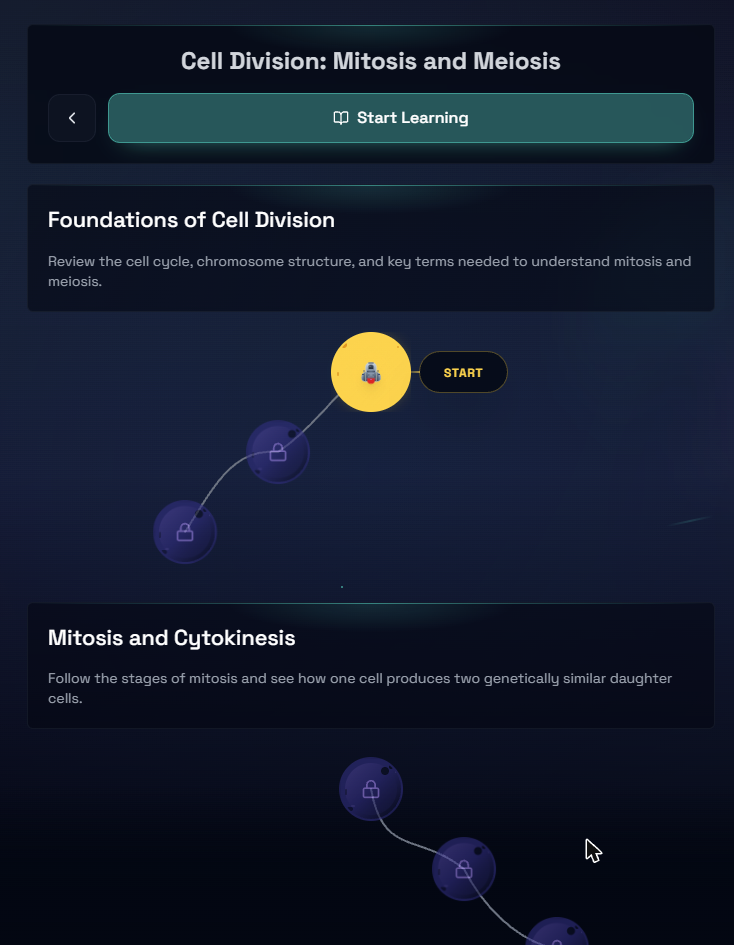
In Boterview, you can create a course from a PDF, an image or a prompt, and the AI turns it into units, lessons and challenges:
3. Make Sure the Course Tests You
This is the step most AI course generators skip.
A course that only explains things feels productive, but you remember very little of it.
In a well-known 2006 study, Roediger and Karpicke had students either reread a text four times or read it once and recall it three times. One week later, the students who tested themselves remembered 61% of the text, against 40% for those who reread it.
I built Boterview based on the idea that passive learning is not the same as learning.
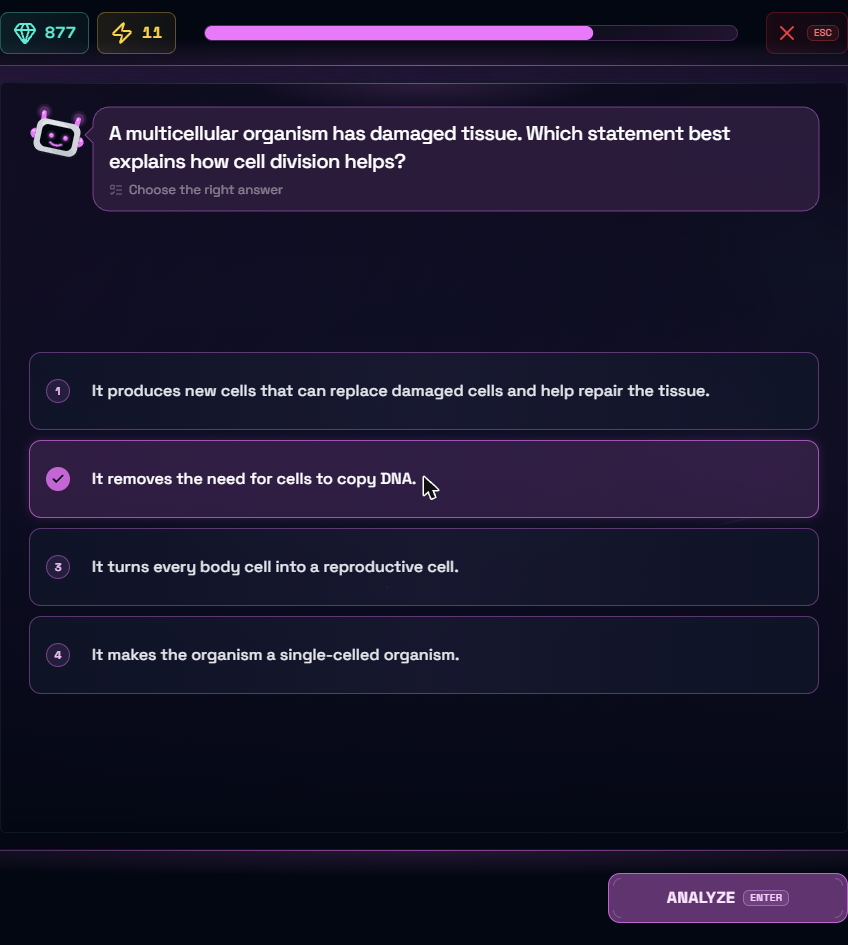
That's why every lesson makes you answer: multiple-choice questions, sorting, ordering, complete the sentence, and Socratic conversations:
If you want to try this with your own material, here's the app I built:
4. Don't Let the AI Do the Thinking for You
An AI that hands you every answer is a crutch, not a teacher.
A 2025 field experiment with nearly a thousand high school students, published in PNAS, found that students who practiced math with plain GPT-4 did 17% worse on the exam than students without AI once the AI was taken away.
A version designed as a tutor, giving hints instead of answers, largely removed that harm.
The lesson is not to avoid AI, but to use an AI that makes you think first.
And when the AI is built for learning, the results flip: in a randomized trial at Harvard, students using a well-designed AI tutor had median learning gains over double those of an in-class active learning session, in less time.
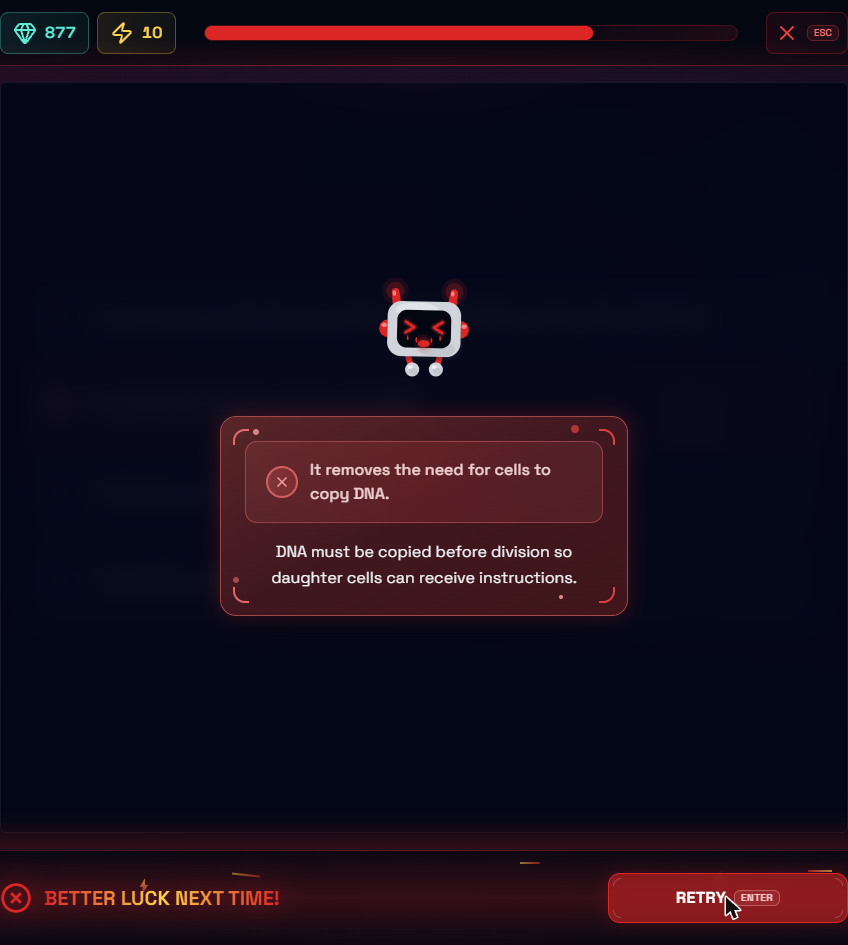
So set up your course so the AI explains your mistakes after you've tried, not before. Boterview's AI tutor works that way:
5. Schedule the Reviews
Finishing a course is not the same as remembering it a month later.
Plan short reviews a few days apart in your study plan, instead of rereading everything the night before.
A meta-analysis by Cepeda and colleagues (2006), covering 317 experiments, found that spacing study sessions out leads to better long-term retention than massing them together.
In my experience, this is what separates the people who finish an AI course from those who actually keep what they learned.
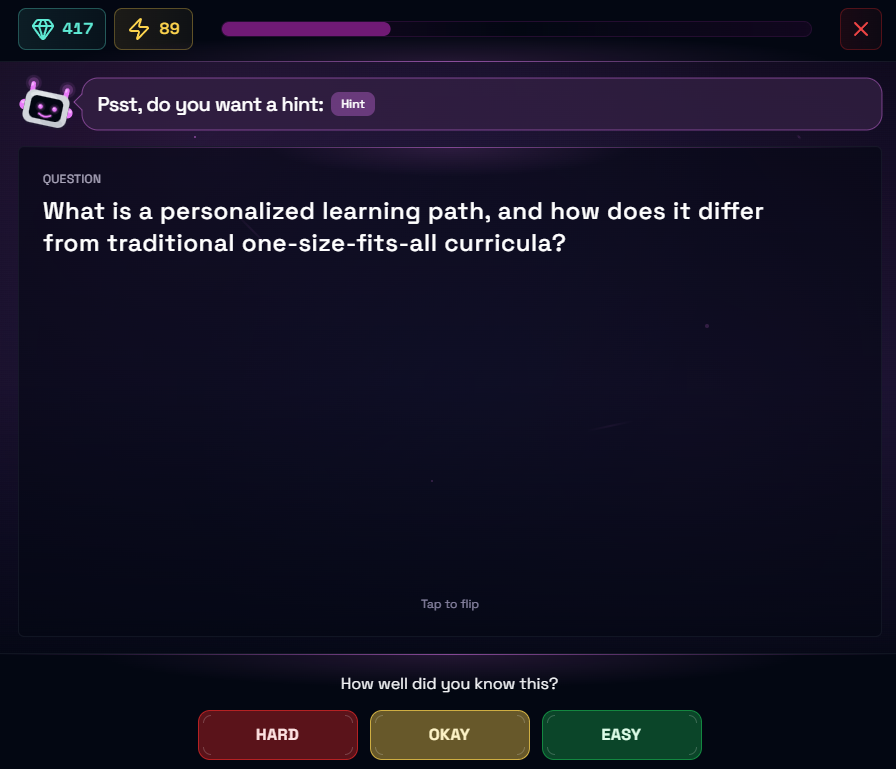
Boterview turns each course into flashcards with spaced repetition, so the key concepts come back right before you forget them (if you prefer to build your own deck, here are my favorite AI flashcard makers):