How to Self-Study Effectively: 6 Steps That Actually Work

When you study on your own, nobody tells you what to learn next, whether you got it right, or when to review.
So most people fall back on what feels natural: reading their notes again.
I built Boterview to give self-learners what a good teacher gives a class: structure, practice and feedback.
Here are the 6 steps that actually work, each backed by research.
1. Set One Clear Goal and Follow a Structured Path
Before you open a single book, decide what you want to be able to do and by when.
Then follow a path with a clear order, instead of jumping between videos and articles.
In his overview of self-regulated learning, Barry Zimmerman (2002) describes how effective self-learners start with a forethought phase: they set specific goals and plan their strategy before they start studying.
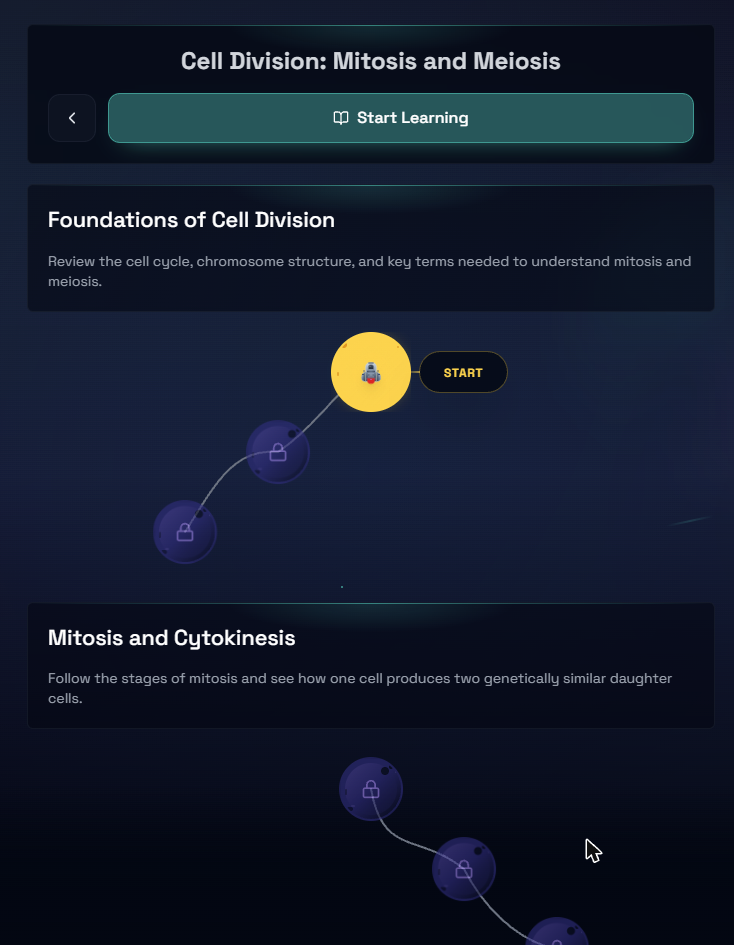
In Boterview, you type your goal or upload your material and the AI builds that path for you, with units and lessons in a logical order:
Want to give boterview's active learning app a try? Check it out here:
2. Replace Rereading With Self-Testing
This is the biggest change most self-learners can make, and the first of my steps to learn anything faster.
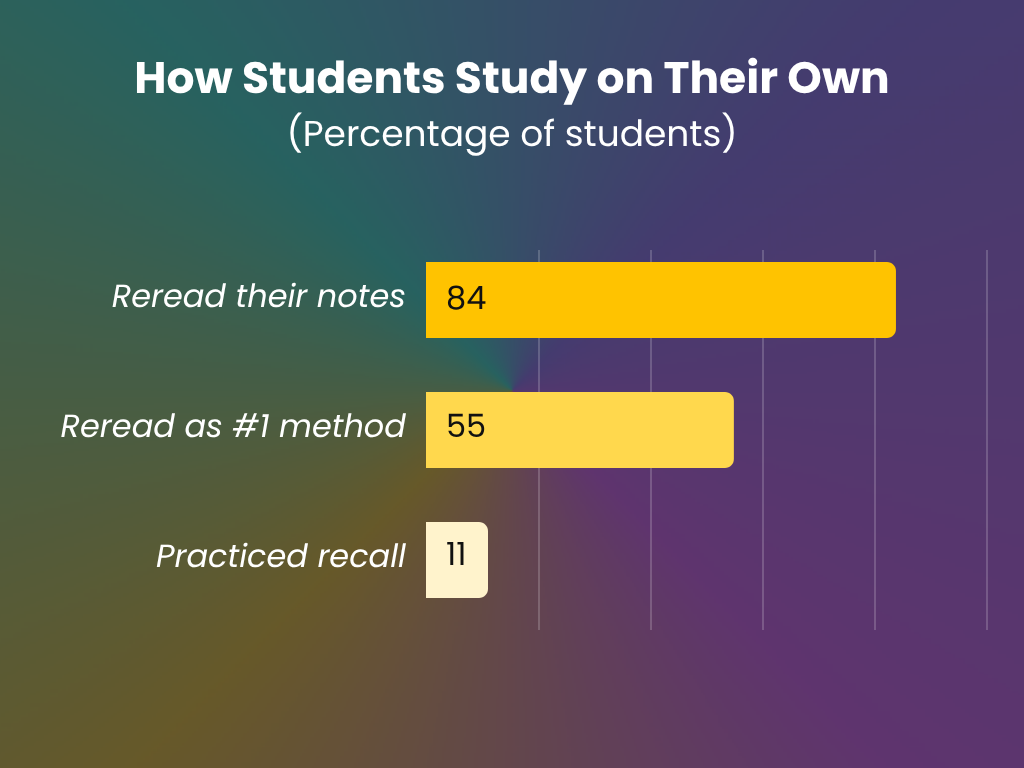
In a 2009 survey of 177 college students, Karpicke, Butler and Roediger found that 84% reread their material when studying, and 55% said it was their number one strategy. Only 11% practiced recalling information:
Yet testing yourself is one of the two techniques rated high utility in Dunlosky's 2013 review of study techniques, while rereading was rated low.
After each reading session, close everything and write down what you remember, then check what you missed.
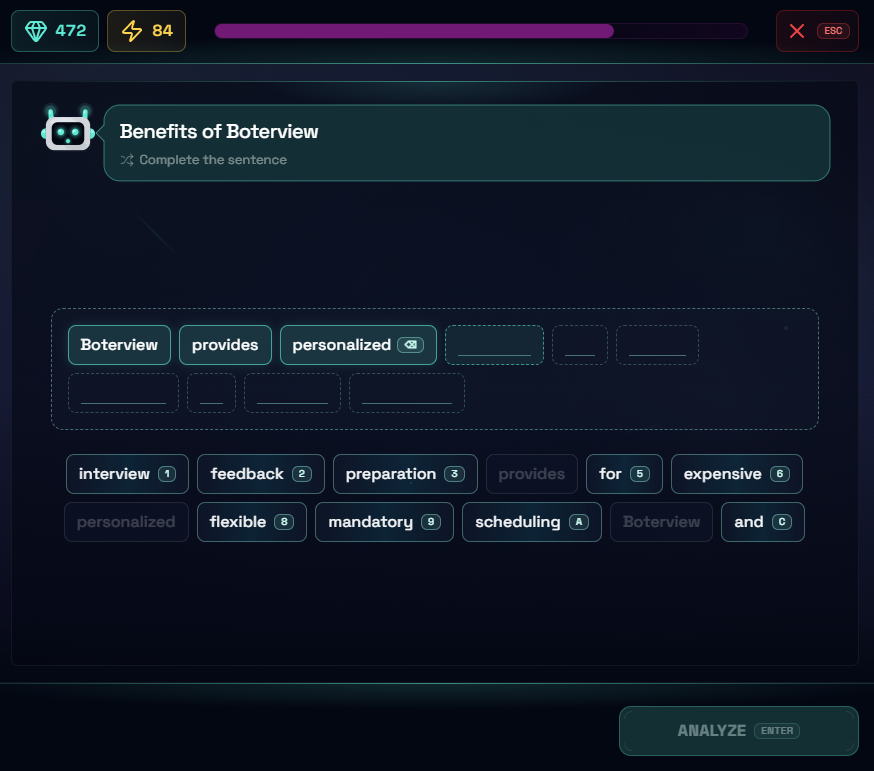
Every Boterview lesson works this way, with challenges like complete the sentence that make you recall instead of recognize:
3. Get Feedback on Your Mistakes
Without a teacher, the biggest risk is practicing your mistakes without knowing it.
Use answer keys, worked solutions or an AI that explains your errors, and always find out why you were wrong.
In their review of feedback research, Hattie and Timperley (2007) found that feedback is one of the most powerful influences on learning, especially when it tells you how to improve.
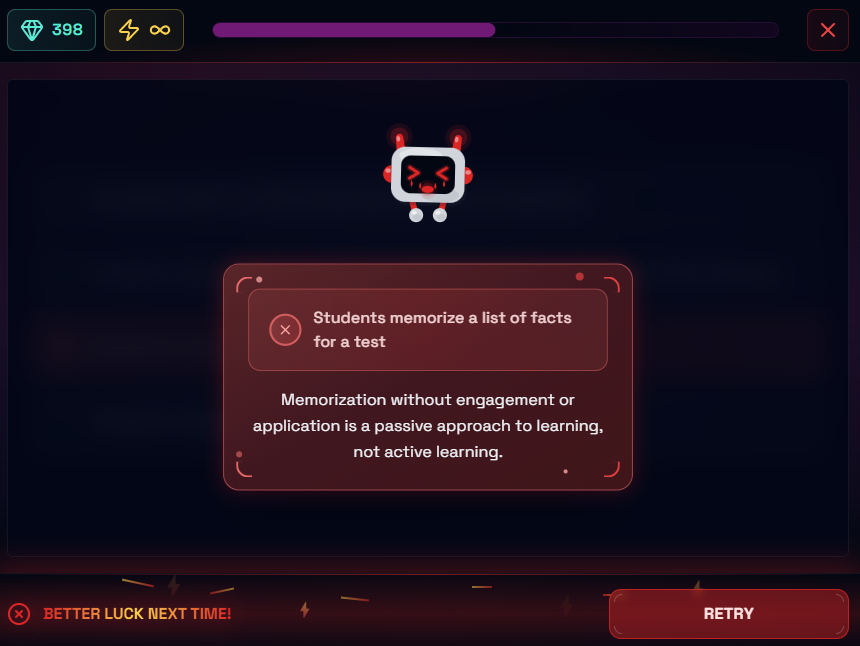
But be careful with chatbots that just give you the answer: a 2025 study in PNAS found that students who practiced with plain GPT-4 did 17% worse on the exam than students without AI once it was removed.
Boterview's AI tutor only steps in after you've answered, and explains what went wrong:
4. Teach What You Learn
At the end of each week, explain what you learned to someone else, or record yourself explaining it.
In a 2014 experiment, Fiorella and Mayer found that students who actually taught a lesson on video after studying it did better on a test a week later than students who didn't teach it.
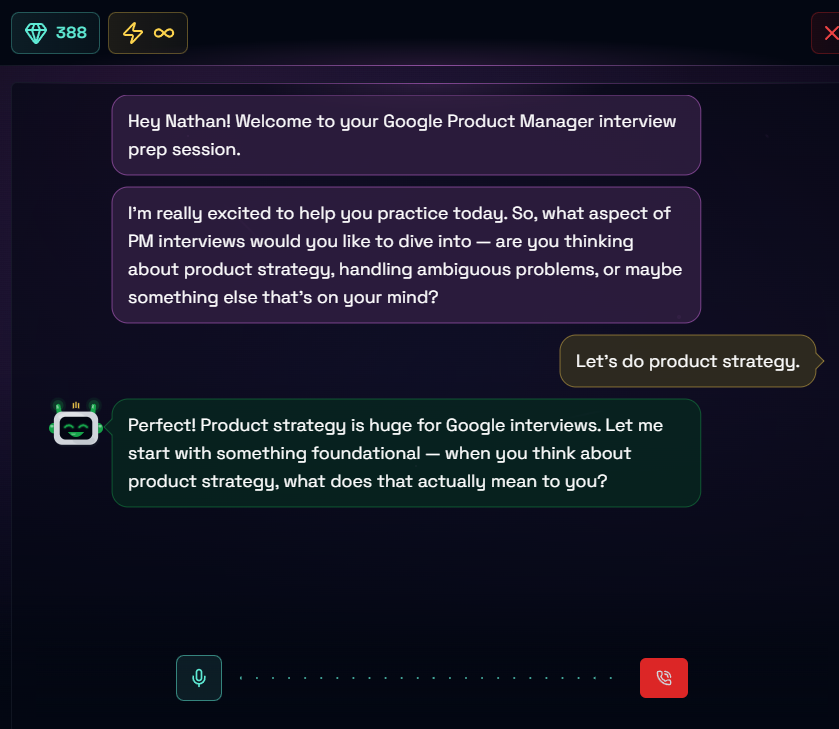
If you don't have anyone to teach, an AI can play the curious student.
That's the idea behind Boterview's Socratic conversation challenge, where you explain a concept and the AI keeps asking questions:
5. Review on a Schedule
Self-learners rarely forget to learn new things. They forget to come back to the old ones.
Block 10 to 15 minutes at the start of each session to review earlier material before moving on.
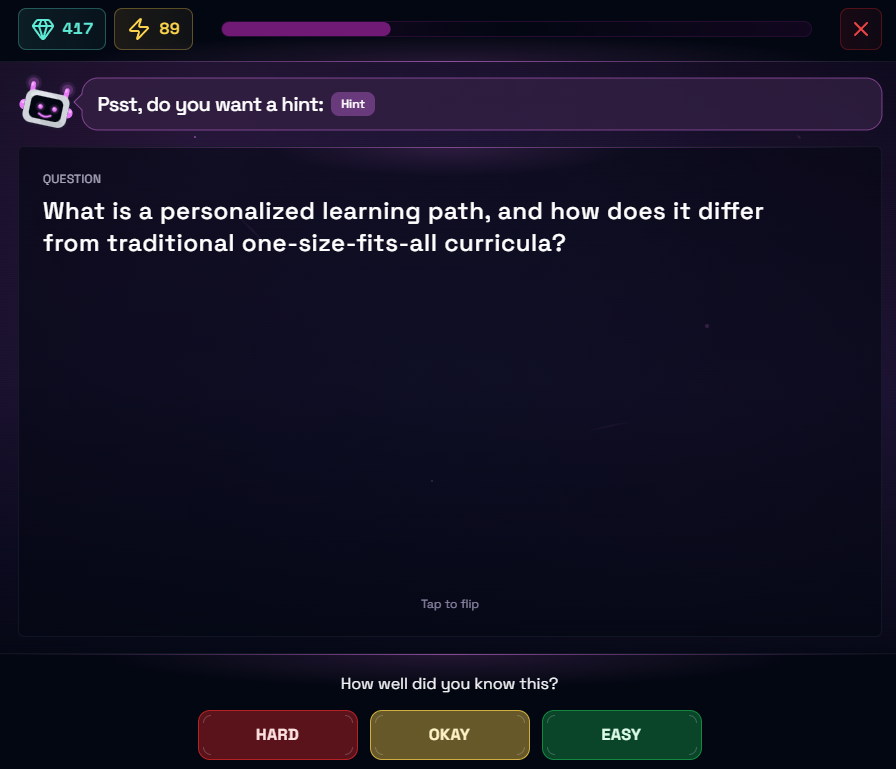
A meta-analysis by Cepeda and colleagues (2006), covering 317 experiments, found that spaced study sessions lead to better long-term retention than massed ones.
Boterview's flashcards do this automatically, and if you already use another tool, here are my favorite Anki alternatives:
6. Check Your Progress Every Week
Once a week, look at what you completed and what you still get wrong, and adjust your plan.
In a meta-analysis of 138 studies, Harkin and colleagues (2016) found that monitoring your progress makes you more likely to reach your goals, especially when you physically record it.
In my experience, this is what keeps self-study from drifting: you see the progress, and you see the gaps.
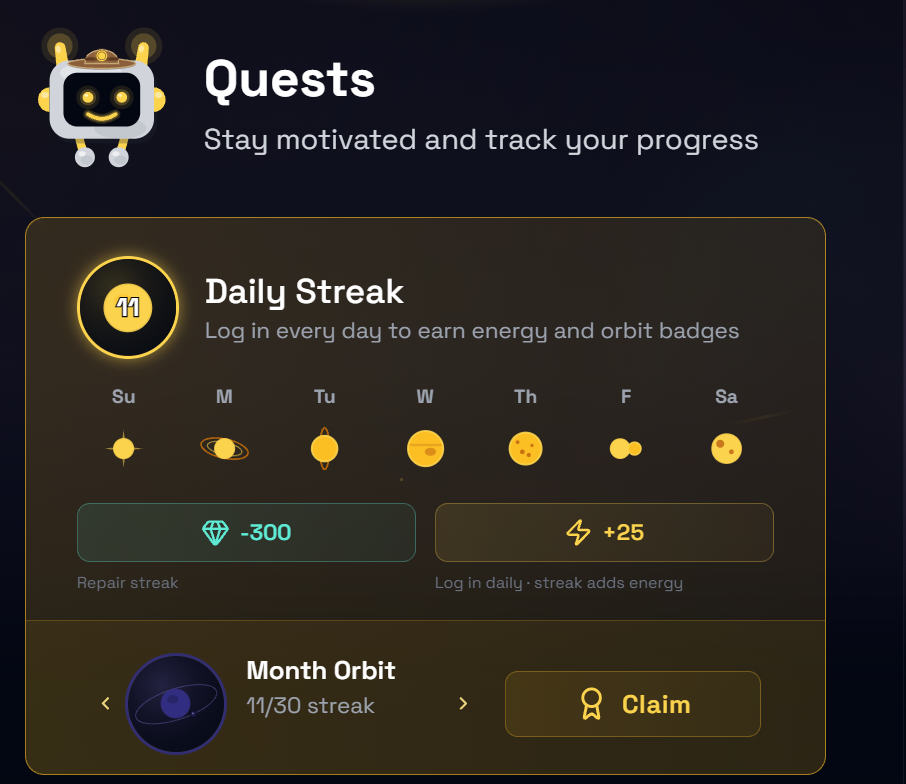
Boterview's Quests page shows your daily streak and the lessons you've finished: