How to Learn Anything Faster: 5 Steps Backed by Research

Most people study for hours and remember almost nothing a week later.
It's not a talent problem. It's a method problem: the techniques that feel the most productive are often the least effective.
In a large 2013 review, Dunlosky and colleagues rated ten popular study techniques, and rereading and highlighting both came out with low utility.
Here are the 5 steps that actually work, the ones I built Boterview around.
1. Test Yourself Before You Feel Ready
Close the book after a first read and try to recall what you just learned, even if you feel you don't know it yet.
Retrieving information is what makes it stick, not seeing it again.
In a 2006 study by Roediger and Karpicke, students who read a text once and recalled it three times remembered 61% of it a week later, against 40% for students who read it four times:
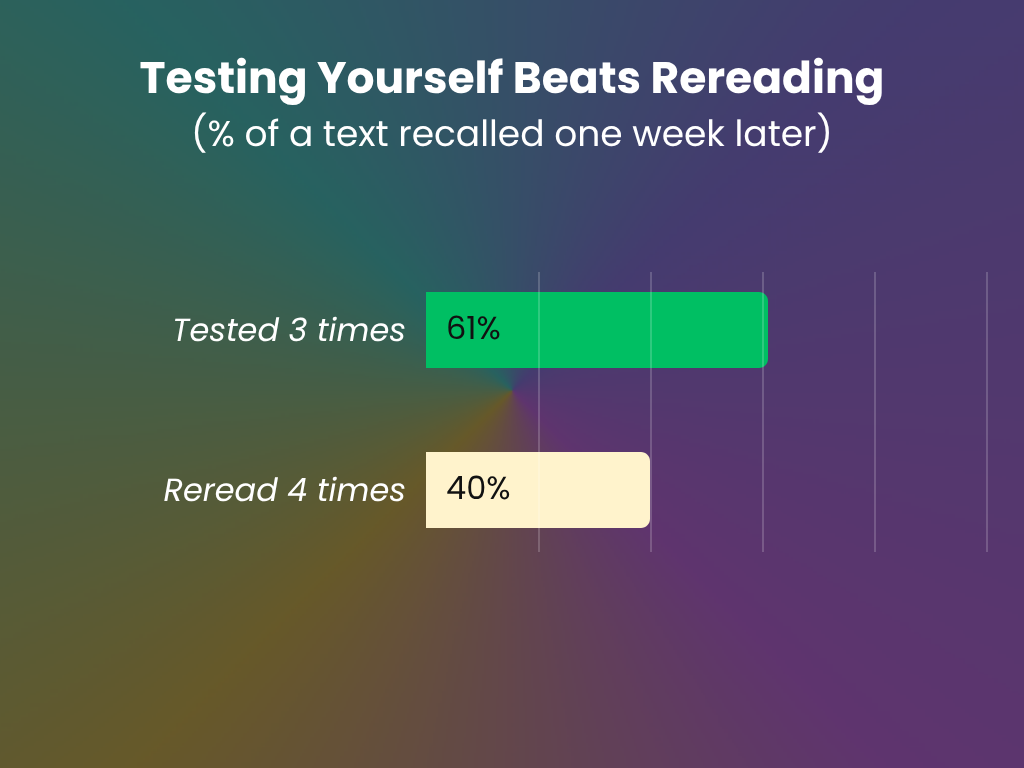
The rereaders actually did better on a test five minutes later, which is exactly why rereading feels like it works.
This is the core idea behind Boterview: every lesson is a series of challenges you answer from memory, from multiple-choice questions to complete the sentence:
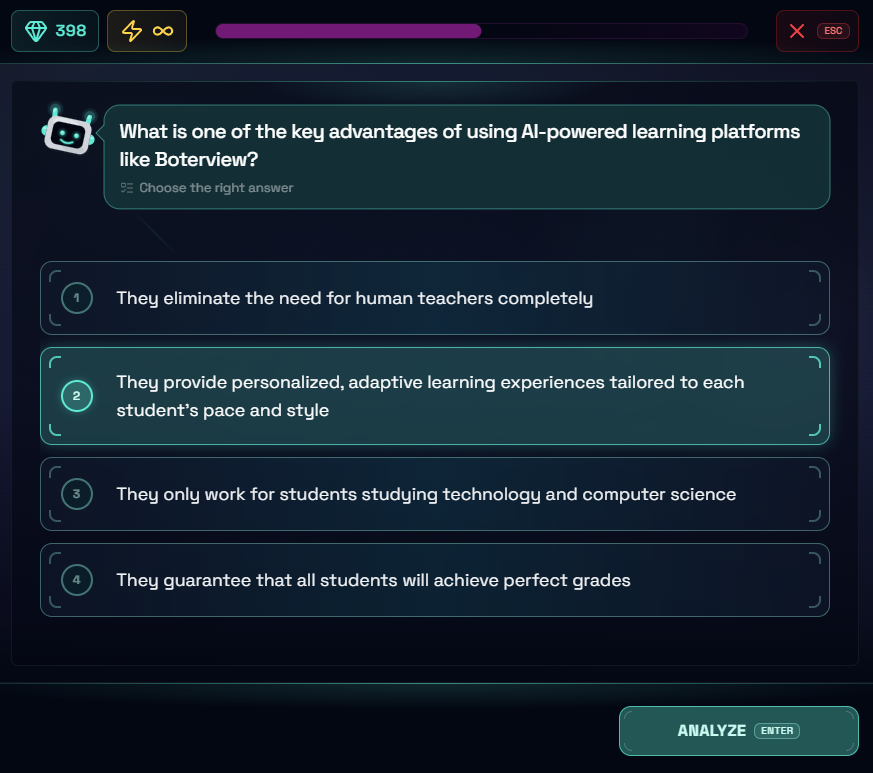
Want to give boterview's active learning app a try? Check it out here:
2. Space Your Sessions Out
A few short sessions on different days beat one long session the night before.
Each time you come back after a gap, you have to work a little harder to remember, and that effort strengthens the memory.
In a study of more than 1,350 people, Cepeda and colleagues (2008) found that there is an optimal gap between study sessions, and that it grows the longer you need to remember something.
In practice: review tomorrow for a quiz next week, and a few weeks apart for an exam months away.
Missing a day is fine. Cramming everything into one day is what slows you down, especially when you self-study without a teacher setting the pace.
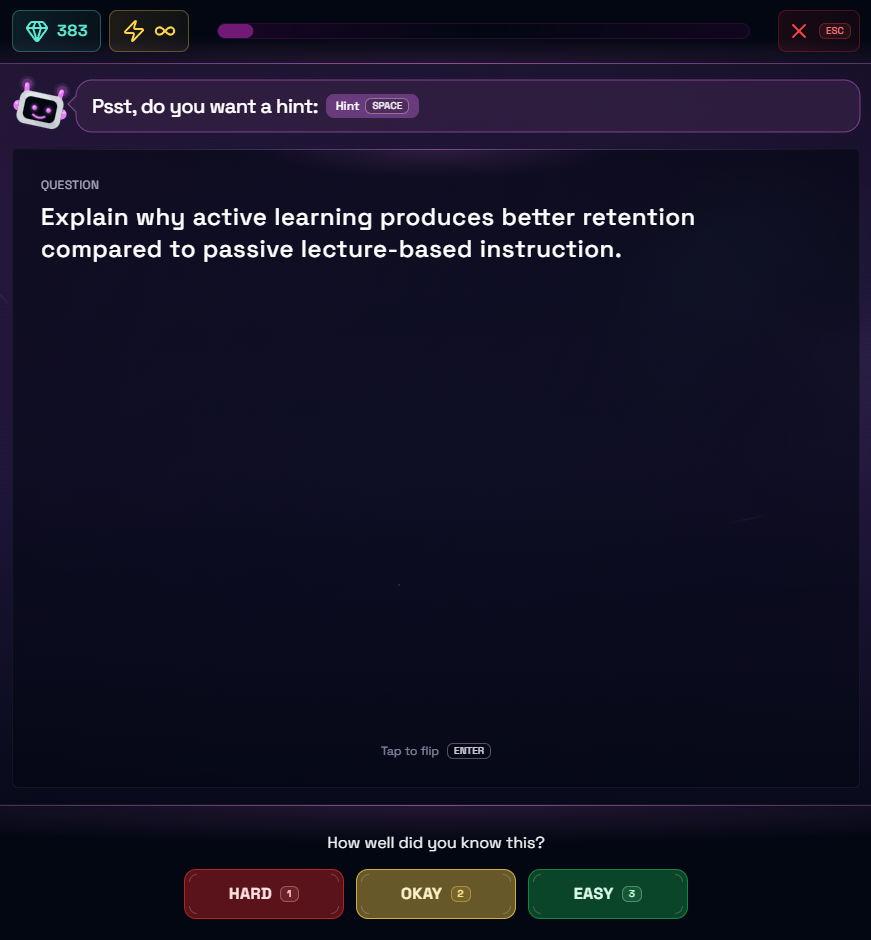
Boterview's flashcards handle that schedule for you with spaced repetition:
3. Explain It in Your Own Words
After each section, explain the idea out loud as if you were teaching it to a friend.
The gaps in your explanation are the gaps in your understanding.
In a classic experiment, Chi and colleagues (1994) asked students to explain a biology text to themselves as they read it, and those students understood it better than students who simply read it twice.
In Boterview, the Socratic conversation challenge does this with you: the AI asks you questions and pushes back until your explanation holds up:
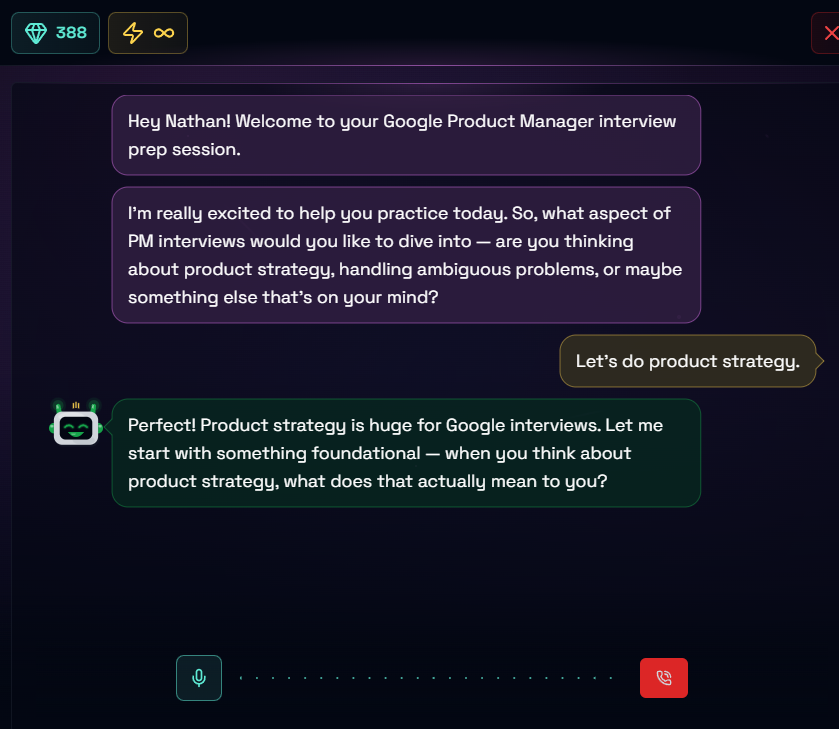
4. Learn From Every Mistake Immediately
A wrong answer is only useful if you understand why it was wrong.
Don't just check the right answer and move on: find the reasoning that led you astray.
A simple habit: write each mistake in one line, with what you thought and why it was wrong, and reread that list before your next session.
In their influential review "The Power of Feedback", Hattie and Timperley (2007) showed that feedback is among the strongest influences on learning, especially when it explains how to improve rather than just giving a grade.
This is where I find most study apps fall short: they tell you you're wrong, then move on.
Boterview's AI tutor explains each mistake right after you make it:
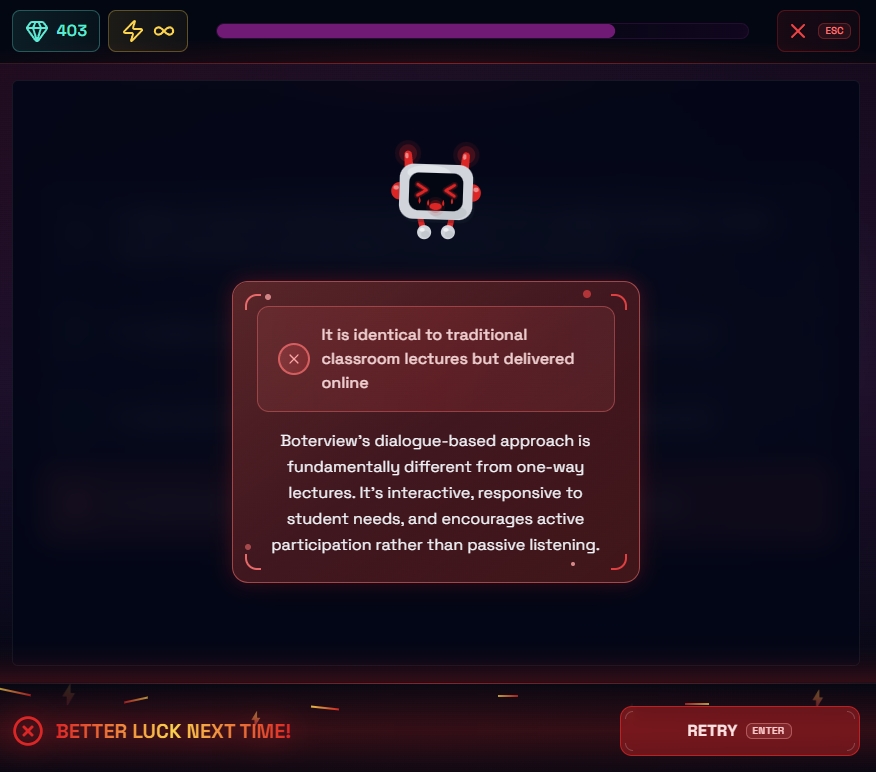
5. Stop Rereading, Start Practicing
Take the time you spend rereading notes and spend it answering practice questions instead.
In Dunlosky's review, only two of the ten techniques received a high utility rating: practice testing and distributed practice.
If you don't have practice questions, make them: turn each heading of your notes into a question and answer it without looking.
In my experience, this single change is the fastest way to learn faster, because you immediately see what you don't know yet.
Or let an AI quiz maker generate them from your material. In Boterview, you can create a quiz from any topic or document: