5 Best Study Apps for Students in 2026

Most students study by rereading their notes and highlighting them.
It feels productive, but it mostly builds familiarity, not memory.
I've spent years building a study app and testing the others. Here is what I look for:
- You must recall, not recognize. The app makes you answer from memory, not just read.
- It brings things back at the right time. Reviews are spaced so you remember for the exam, not just for tonight.
- It works with your own material. Your notes, your slides, your class.
Let's explore the best study apps that satisfy these criteria.
1. Boterview: The Best Study App for Active Learning
Boterview is an AI course creator that turns your study material into a complete course you can practice.
Import your notes or create a course from a PDF, and the AI builds units, lessons and challenges:
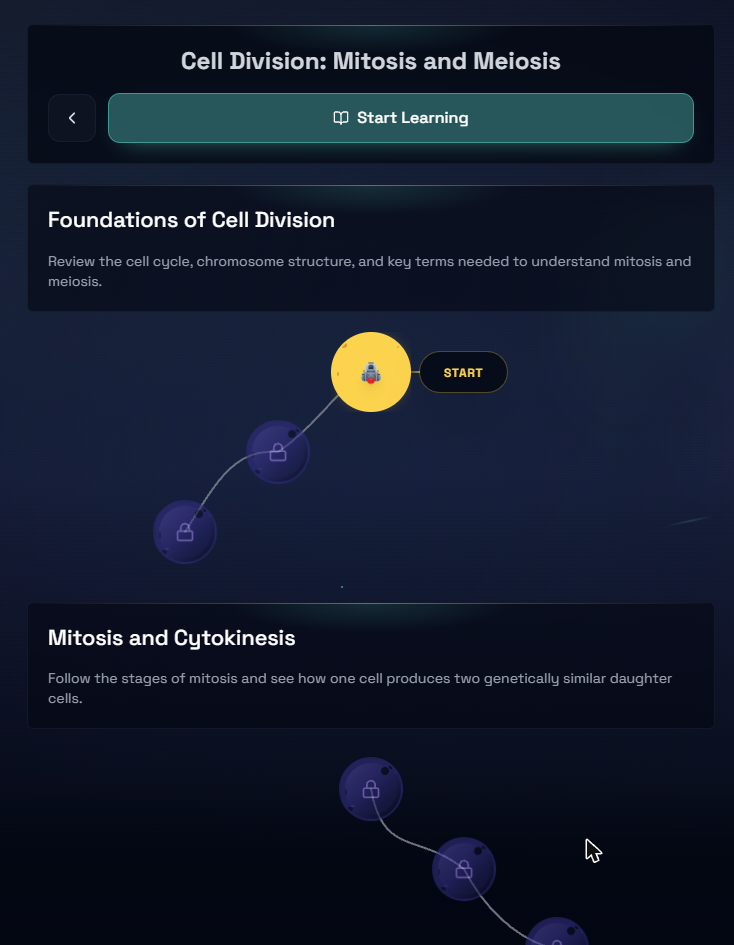
I built Boterview based on the idea that passive learning is not the same as learning.
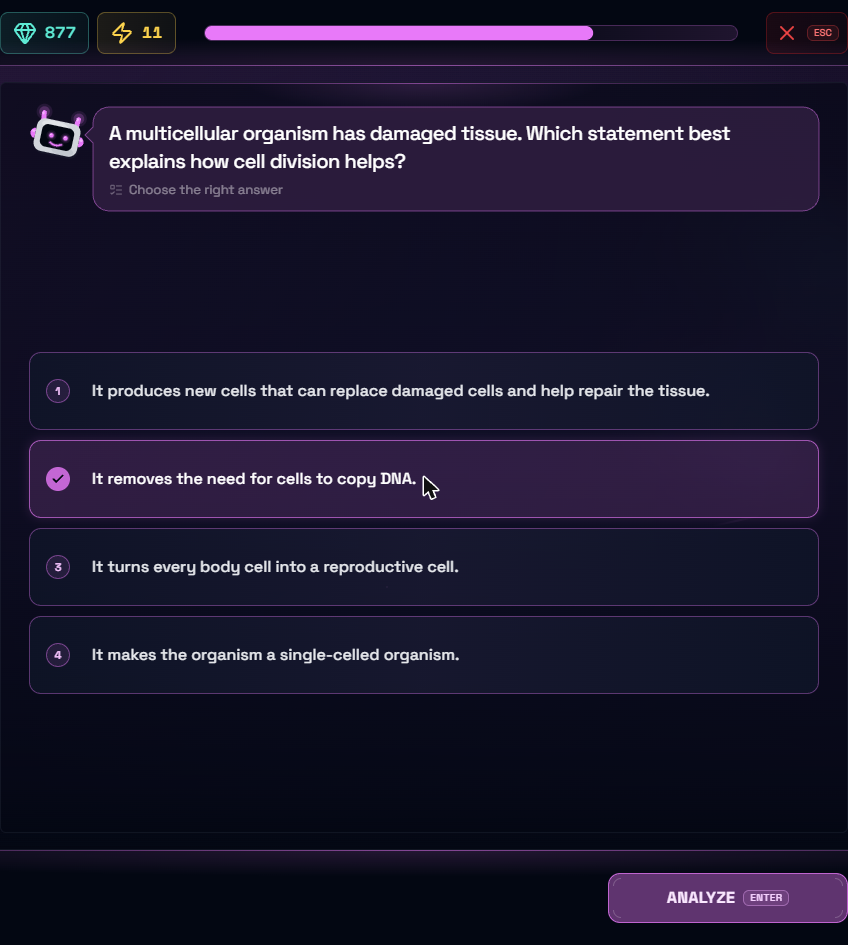
Every lesson makes you answer, with multiple-choice questions, sentences to complete and Socratic conversations:
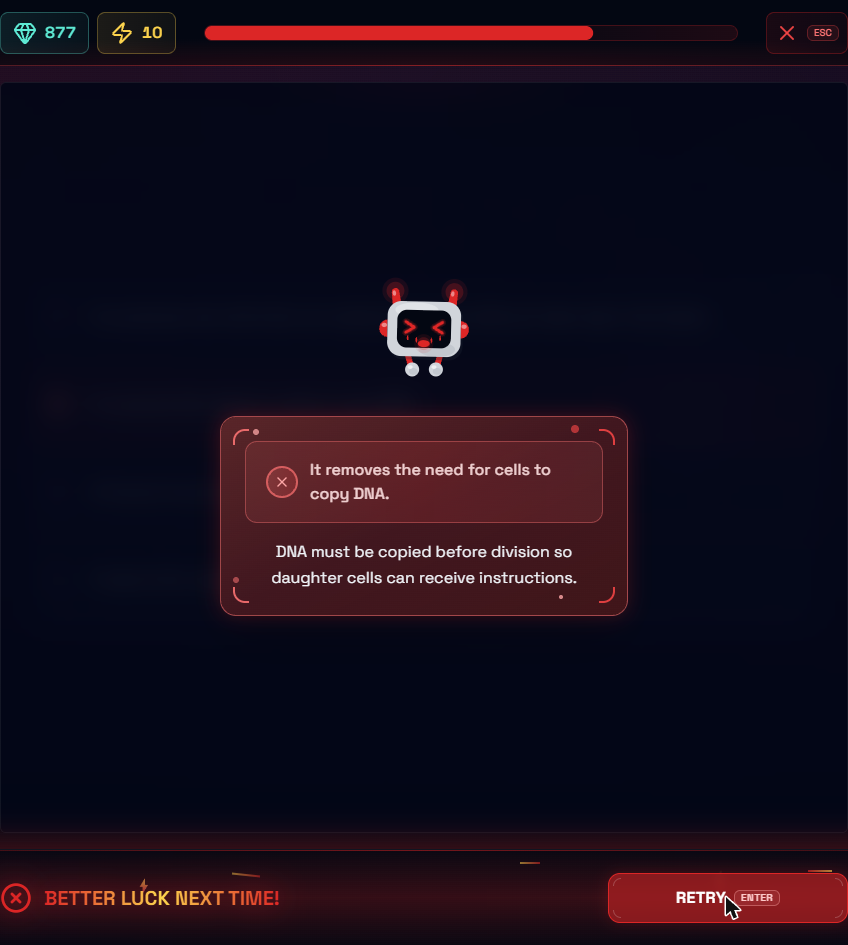
When I get something wrong, the AI tutor explains why, right away:
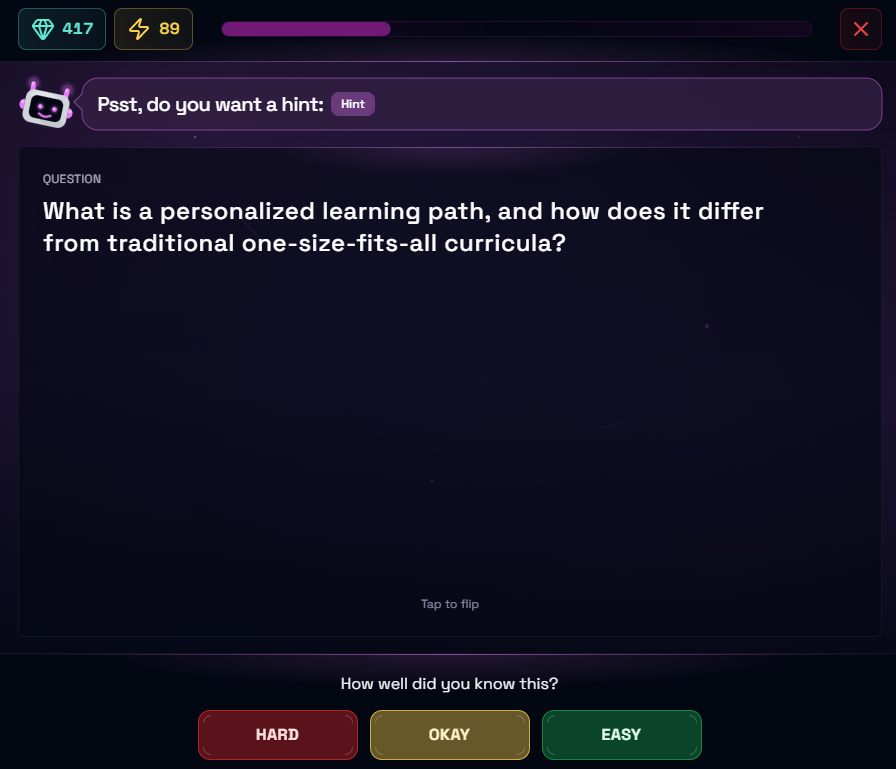
And flashcards with spaced repetition bring the key concepts back before the exam:
Want to give boterview's study app a try? Check it out here:
2. Quizlet: The Best Study App for Flashcards
Quizlet is the flashcard app most students already know.
Its Learn mode turns a set into questions, and asks whether you want to cram for a test or memorize everything:
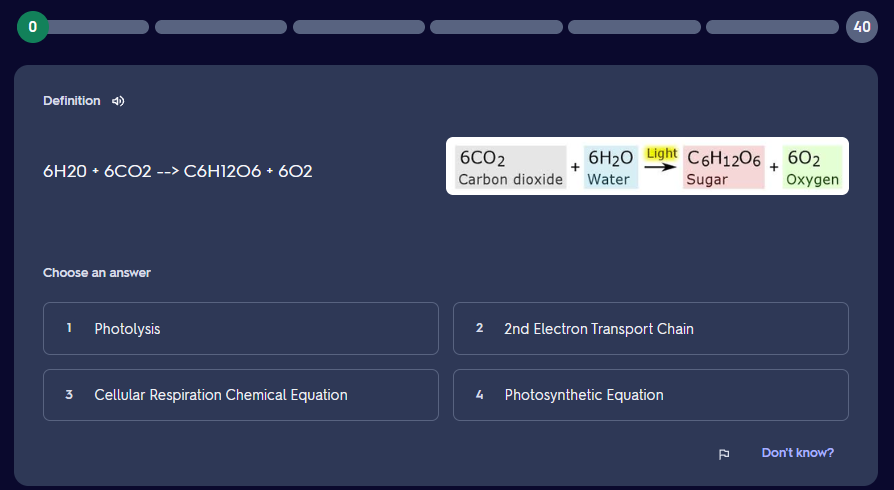
What I appreciate about Quizlet is how easy it is to find a ready-made set for almost any class.
The drawback is that many Learn questions are multiple choice, so you recognize the answer more than you recall it.
3. Anki: The Best Study App for Spaced Repetition
Anki is a flashcard app built entirely around spaced repetition.
You rate how well you remembered each card, and Anki schedules the next review for when you are most likely to forget it:
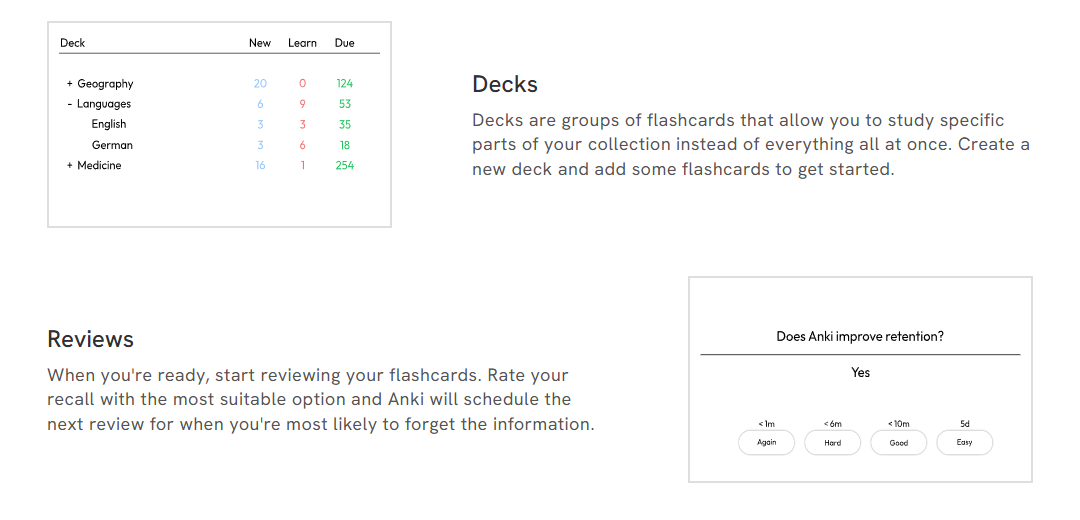
It runs on desktop and Android, and syncs your cards with AnkiWeb.
What I like about Anki is how reliable its scheduling is once you build the daily habit.
The drawback is that you have to write your cards yourself, or find a shared deck.
4. Gemini Notebook: The Best Study App for Your Own Sources
Gemini Notebook, formerly NotebookLM, lets you add your sources and study from them.
It only answers from your material, with citations, and it can generate flashcards, quizzes and study guides. Here is a quiz it made from two biology pages:
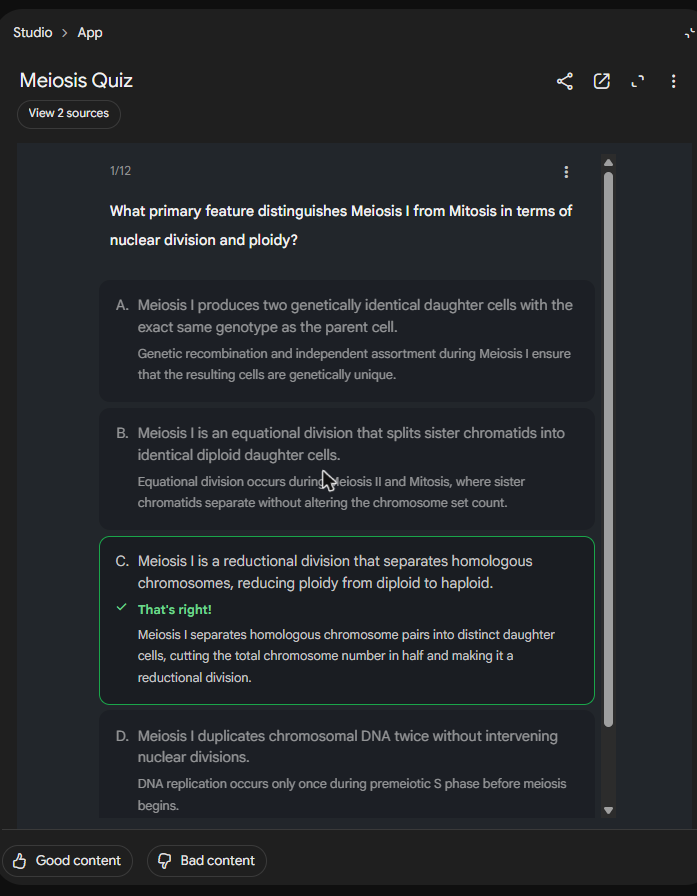
What I appreciate is that every quiz answer comes with a short explanation, including the wrong ones.
The drawback is that it won't plan your revision, so you have to organize it yourself.
5. Knowt: The Best Study App for Exam Preparation
Knowt gathers many study tools in one place: notes, flashcards, practice tests, podcasts and lecture recording:
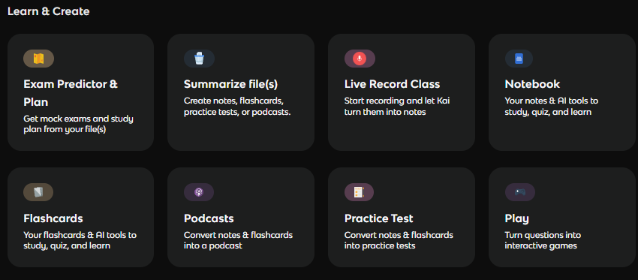
Its Exam Predictor & Plan is built to help you prepare for a specific test.
What I like about Knowt is that you can go from a recorded class to flashcards without leaving the app.
The drawback is that with so many tools, it's up to you to choose how to study.