How to Prepare for Exams Effectively

Most students prepare for exams by rereading their notes and highlighting them a second time.
It feels productive, but research consistently ranks it among the least effective ways to study.
I spent years testing study methods before building an active learning app, and the ones that work have one thing in common: they make you retrieve, not review.
Here are the 5 steps I'd follow for any exam, each backed by research.
1. Swap Rereading for Practice Tests
Turn every chapter into questions and answer them with your notes closed: past papers, end-of-chapter exercises, or questions you write yourself.
A 2013 review led by John Dunlosky rated ten popular study techniques.
Practice testing and spaced practice were the only two rated high utility, while rereading, highlighting and summarizing were rated low.
In a classic experiment by Henry Roediger and Jeffrey Karpicke (2006), students who restudied a text did better five minutes later, but students who were tested on it remembered more one week later.
The exam is in a week, not in five minutes.
In boterview, you can import your course documents and get a full course of questions generated from a PDF, or start from a topic:

Want to turn your own notes into practice tests? Here's the app I built:
2. Spread Your Review Over Several Days
Start two to three weeks before the exam and review each topic in several short sessions, a few days apart, written into a study plan.
As a rule of thumb, three 30-minute sessions on different days are worth more than one 90-minute session the night before.
A 2006 meta-analysis by Nicholas Cepeda and colleagues reviewed hundreds of memory experiments and found that spaced study consistently beat massed study for long-term retention.
Each gap lets you forget a little, and pulling the answer back out of memory is what makes it stick.
Doing this by hand is tedious, which is why I prefer spaced-repetition flashcards: you rate each card Hard, Okay or Easy, and the hard ones come back sooner:

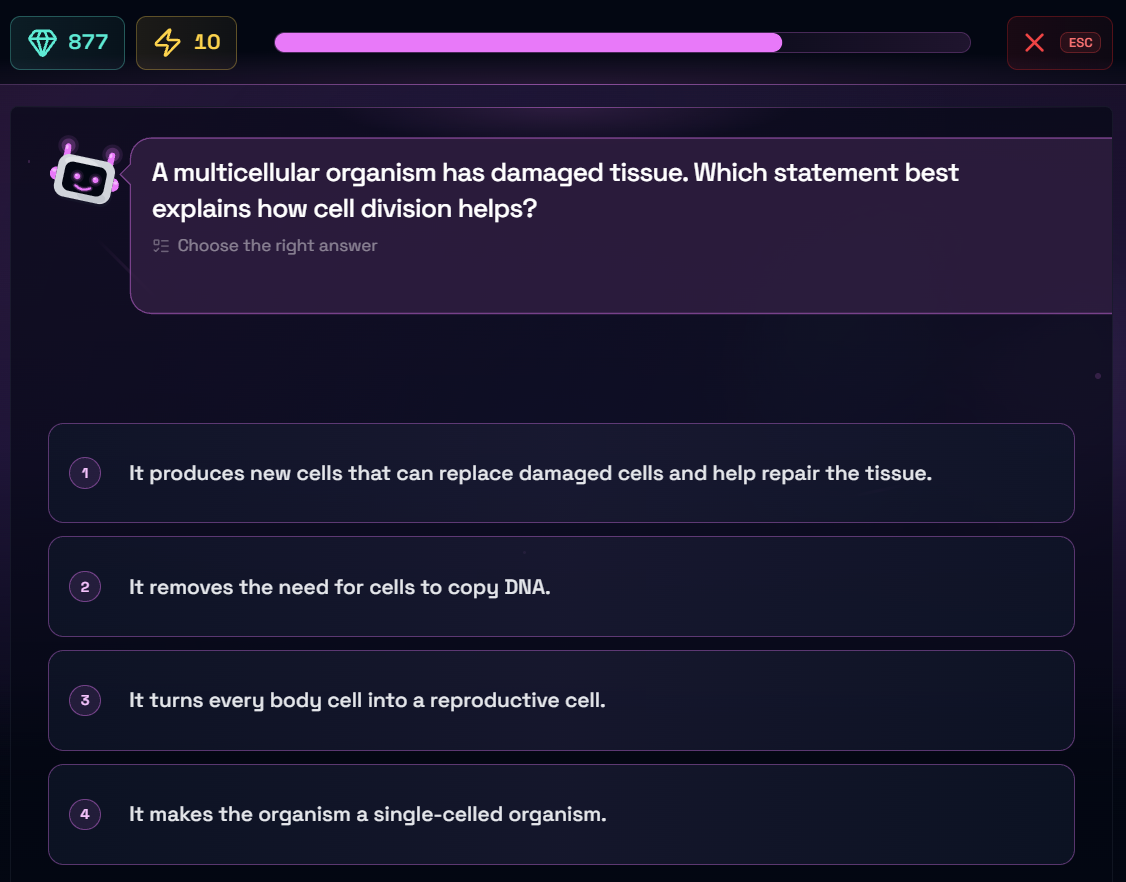
3. Mix Different Types of Problems
When you practice, shuffle problems from different chapters instead of solving twenty of the same kind in a row.
In a 2007 study by Doug Rohrer and Kelli Taylor, students practiced math problems either grouped by type or shuffled.
The shuffled group did worse during practice, but performed far better on a test one week later.
The reason is simple: on the exam, nobody tells you which chapter a question comes from.
Mixing forces you to recognize the type of problem and pick the right method, which is exactly the skill the exam tests.
In my experience, this is the step that feels worst and pays off the most, so mix questions from at least two chapters in every session:
4. Learn From Every Mistake
When you get a question wrong, don't just look at the right answer and move on.
Write down why your answer was wrong and what you'd do differently, then retry the question two days later.
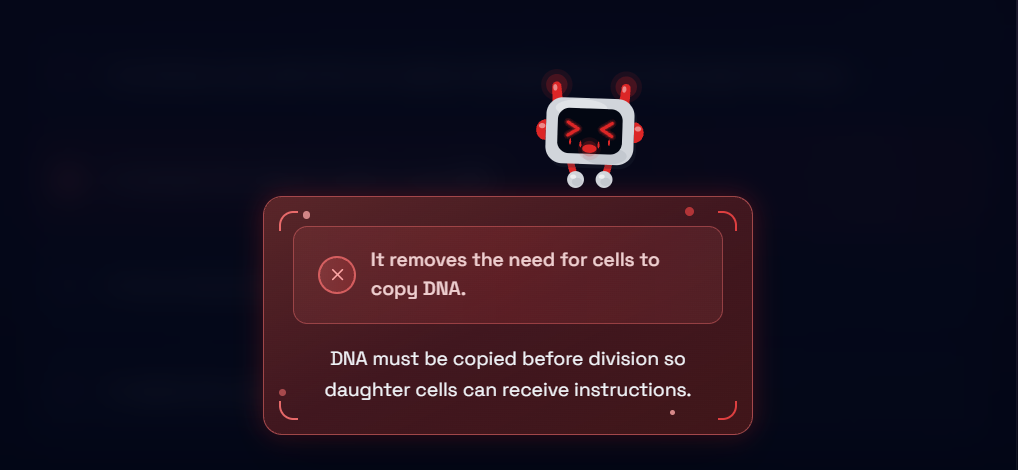
A 2007 review by John Hattie and Helen Timperley found that feedback is one of the most powerful influences on learning, but mostly when it explains the task and how to improve, not when it's only a score.
This is why every wrong answer in boterview comes with a short explanation of why it's wrong, the kind of feedback an AI tutor should give:
5. Protect Your Sleep in the Weeks Before the Exam
Aim for regular, sufficient sleep during the whole revision period, not just the night before.
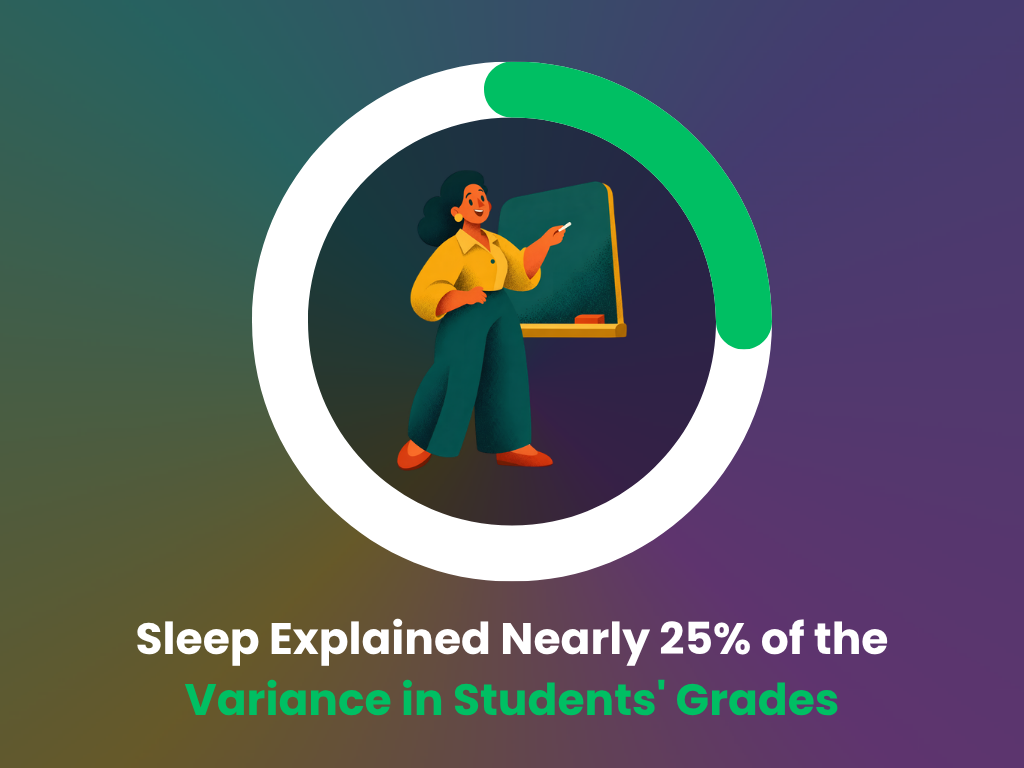
In a 2019 study at MIT, Kana Okano and colleagues tracked the sleep of students in an introductory chemistry course with activity trackers.
Sleep quality, duration and consistency accounted for nearly 25% of the variance in their grades:
Surprisingly, sleep the night before a test showed no relation to the score: what mattered was sleep during the week and month before.
Students who went to bed after 2 a.m. also did worse, even with the same total amount of sleep.
And on exam morning, if you're anxious, a 2011 study by Gerardo Ramirez and Sian Beilock found that writing about your worries for 10 minutes before a test helped anxious students perform better.