5 Best AI Tools for Students in 2026

AI tools for students are everywhere, the only problem is that most of them don't actually lead to better learning.
After months of testing AI tools in real-world academic settings, I've selected the few that truly make a difference when it comes to learning, writing, and researching information.
Here are my favorite AI tools for students.
1. Boterview: The Best AI for Active Learning
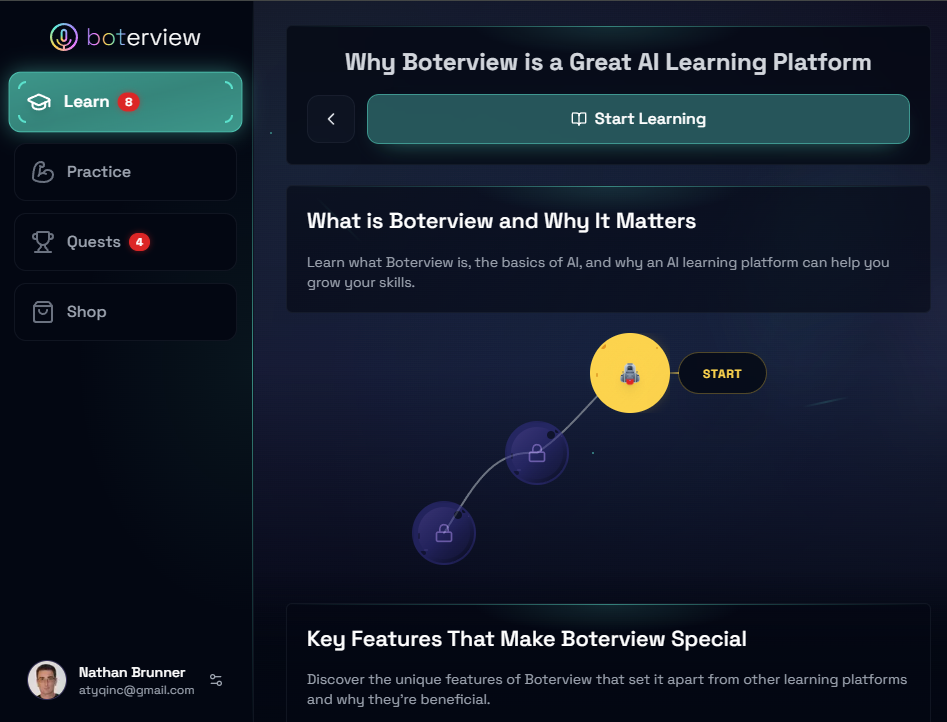
Boterview offers personalized learning paths and courses that are generated by AI.
You simply import a PDF document, an image or enter a topic and boterview's AI generates a structured course with units, lessons, and interactive challenges:
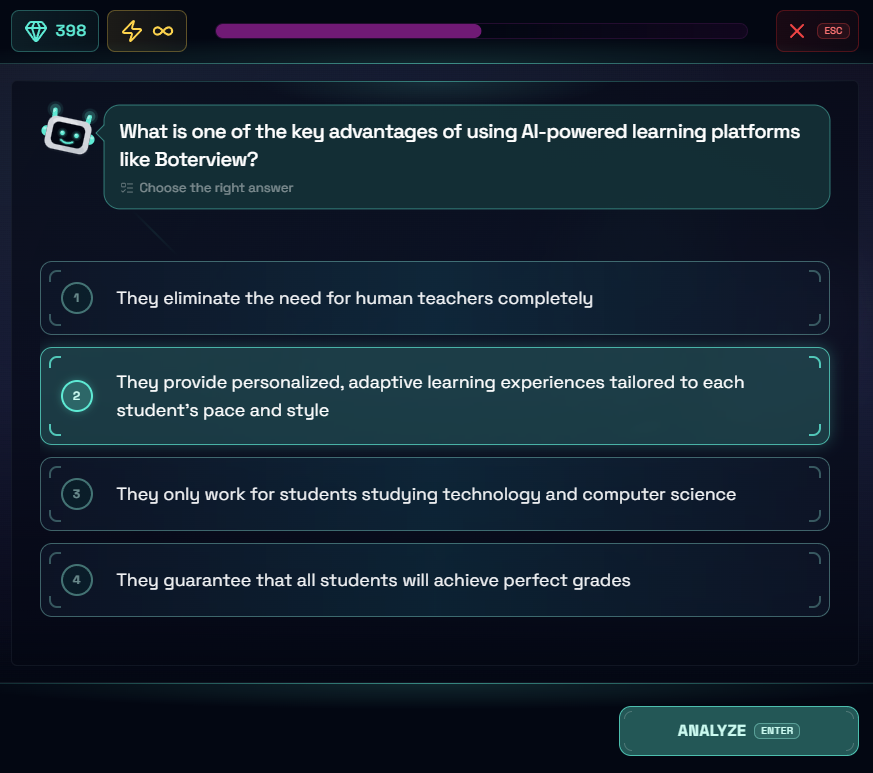
What I really like about boterview is the variety of challenges such as MCQs which make learning fun rather than repetitive.
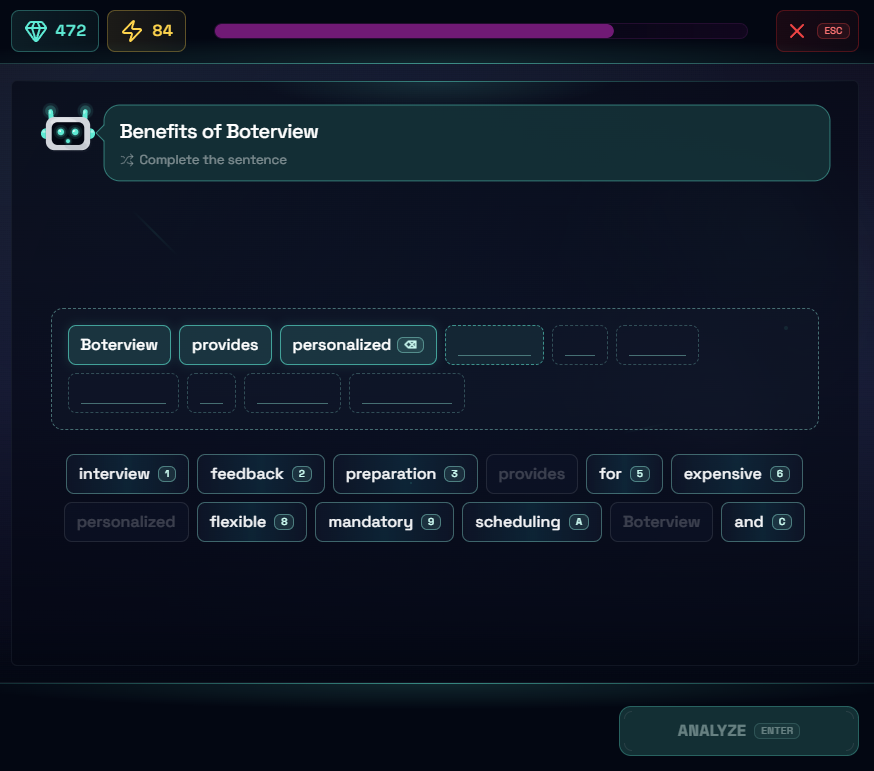
But multiple choice questions is only one of the many different types of challenges. For example, here is a "complete the sentence" challenge:
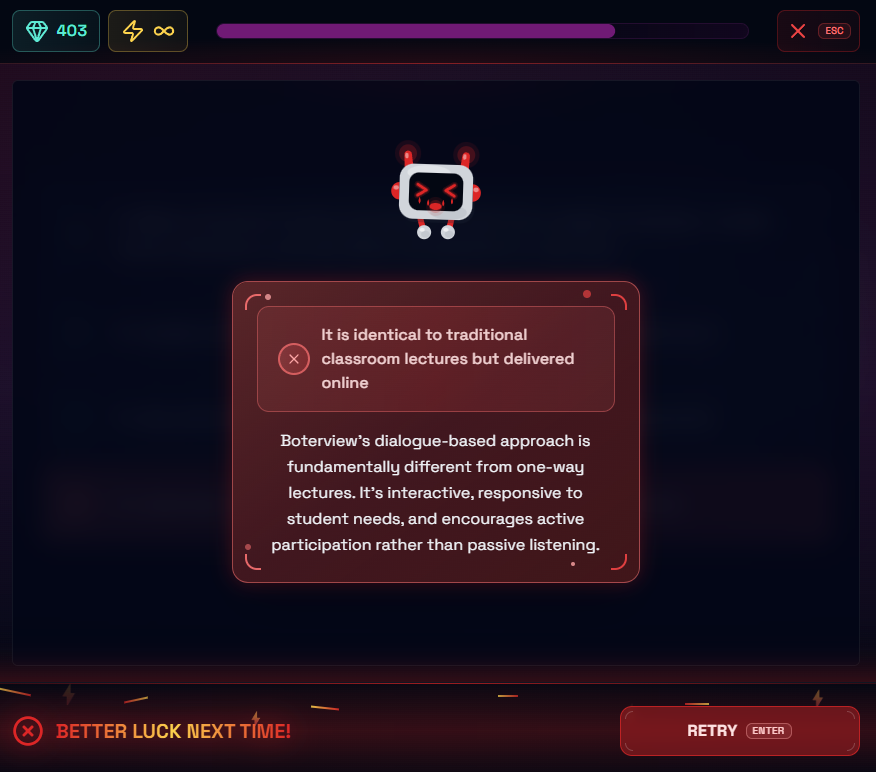
Where Boterview really stands out, though, is its feedback system.
Instead of simply marking answers as right or wrong, the AI tutor explains exactly what you misunderstood and why your reasoning broke down.
Boterview's feedback feature turns mistakes into learning opportunities.
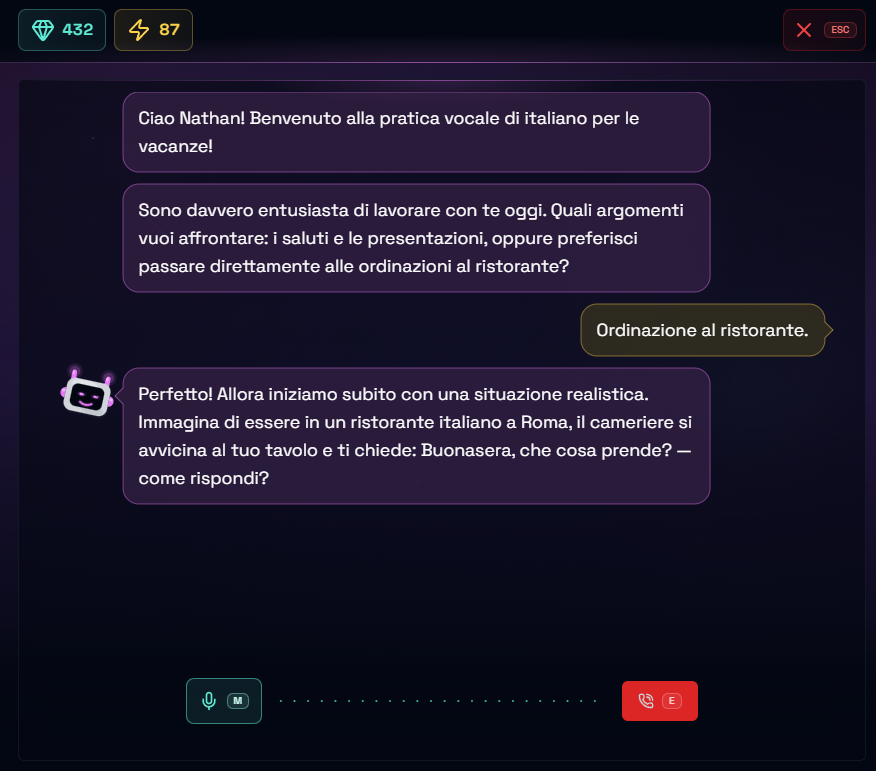
Boterview also has an AI tutor to practice with live chats, for example, here I am learning a new language:
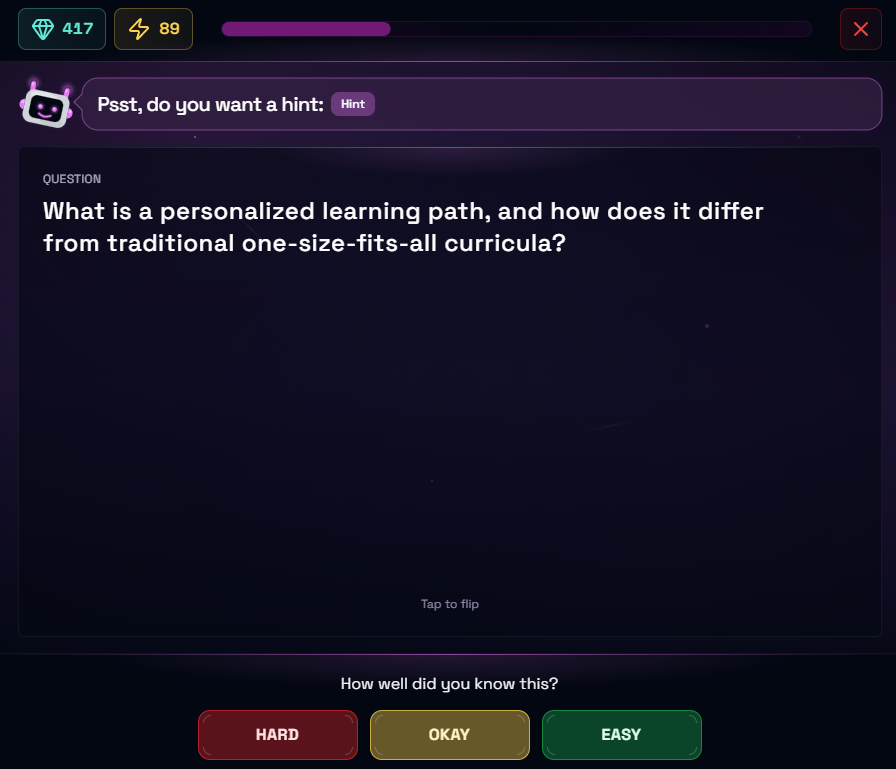
And flashcards to memorize your courses faster:
Check out boterview's ai studying tools here:
2. Perplexity AI: The Best AI Tool for Academic Research
I often waste so much time opening tabs after tabs to answer a research question, cross-referencing sources, and trying to determine which website is actually credible.
Perplexity AI was designed to put an end to this.
Unlike ChatGPT, which generates answers from training data, Perplexity actively searches the internet for each query and constructs its answers from academic sources it finds.
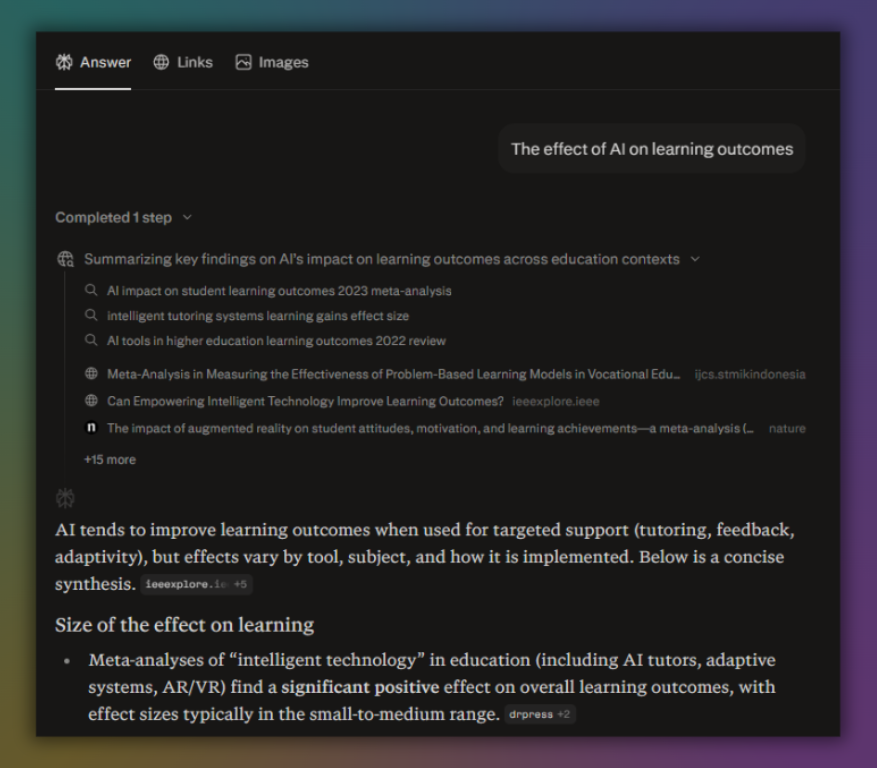
Each answer includes numbered citations that link directly to the original source, allowing you to verify every claim.
The difference is significant for students writing research papers: Perplexity doesn't just provide the answer; it shows where it comes from.
For longer, more complex research questions, Perplexity's Deep Research feature breaks down your query into sub-questions, searches multiple sources for each, and synthesizes everything into a structured report.
I find it incredible that a research task that would take half a day manually can be completed in minutes with Perplexity. Furthermore, since every claim is cited, you can verify everything before incorporating it into your paper.
3. NotebookLM: The Best AI Notetaking App
Unlike ChatGPT or general-purpose AI tools, NotebookLM only responds based on the specific documents you upload.
When you ask it a question about your course, it bases its answer on that course, not on what the AI thinks is probably true about the topic.
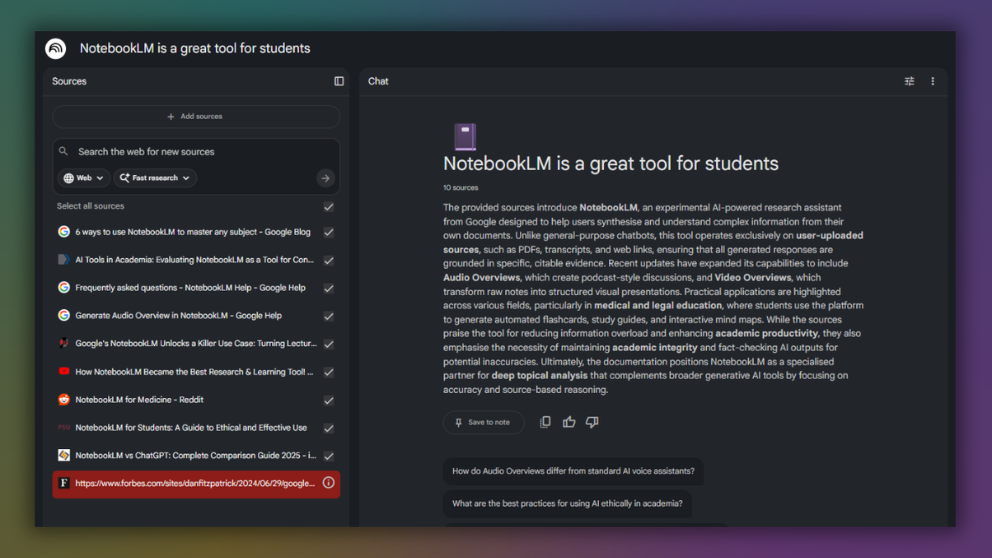
I also love the audio preview feature.
Rather than simply reading your notes aloud, it generates a natural, podcast-like conversation between two AI hosts who discuss, debate, and analyze the content of your materials, bringing out connections and nuances that traditional narration could never highlight. It's a truly effective tool for revising on public transport or during a workout.
NotebookLM is ideal for students who need to study from lecture slides, textbooks, or specific academic articles.
4. Grammarly: The Best AI Writing Assistant for Students
Grammarly is an AI that improves grammar, clarity, structure, and tone as you write.
I appreciate its seamless integration with the tools used by students such as Google Docs, Gmail, Blackboard, and Canvas.
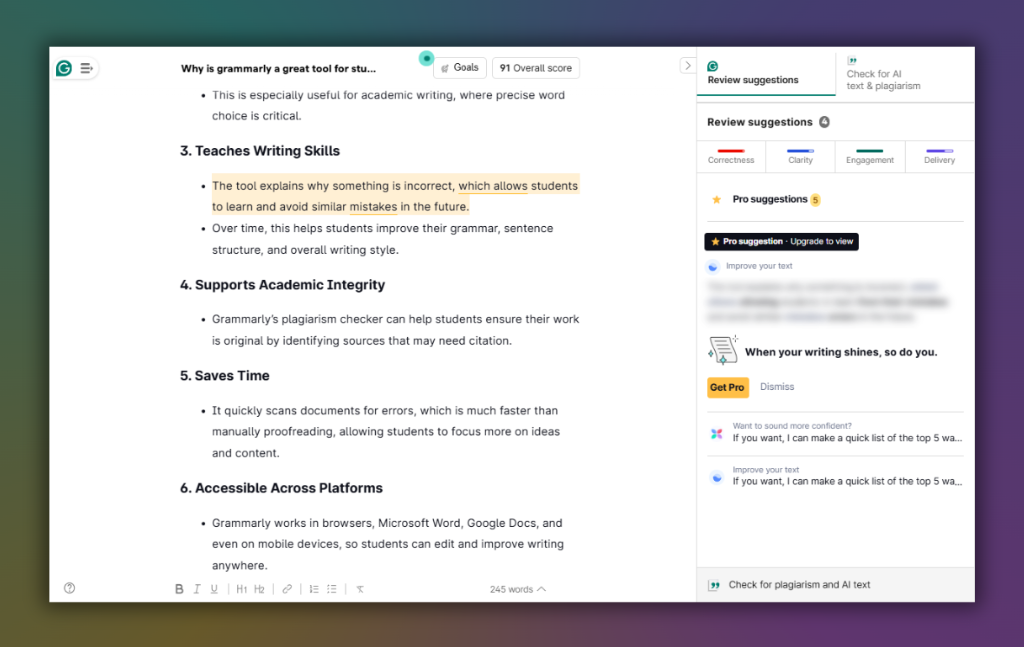
What makes Grammarly more useful to students than a traditional spell checker is the depth of its feedback.
It doesn't just correct typos: it flags ambiguous sentences, suggests more relevant word choices, detects inappropriate intonation, and explains the reasoning behind each suggestion.
Grammarly's "Author" feature automatically categorizes text based on its origin, allowing students to submit their work transparently without getting flagged by AI detectors.
5. Quizlet: The Best AI App for Flashcards
Quizlet has long been my go-to tool for memorization, but its AI-powered features take it to the next level.
Instead of manually creating flashcards, you can now import notes, PDFs, or even images, and Quizlet's AI automatically generates sets of flashcards tailored to your learning style.
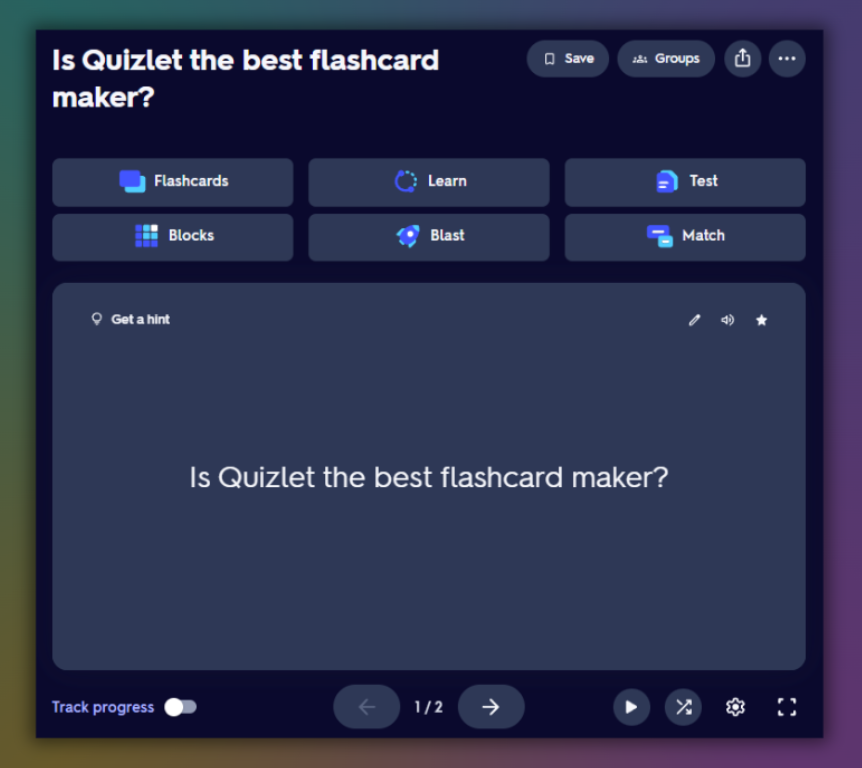
Quizlet adapts its quizzes based on your performance. The AI will prioritize the most difficult flashcards until you master it.
Another standout feature is "Learning Mode," which uses spaced repetition and predictive algorithms to ensure long-term retention, rather than simply cramming for exams.
In my experience, Quizlet is a great way to learn vocabulary, mathematical formulas, or historical dates.