3 Alternatives to NotebookLM for Smarter Learning

I’ve been using Google NotebookLM for a few months now.
Although it is a solid tool for summarizing documents and exploring notes, it proves insufficient for actual learning, especially if your goal is to understand and retain challenging information.
In my opinion, NotebookLM was never designed to teach you anything.
It was designed for reference and synthesis, not comprehension or practice.
I also find NotebookLM's UI confusing:
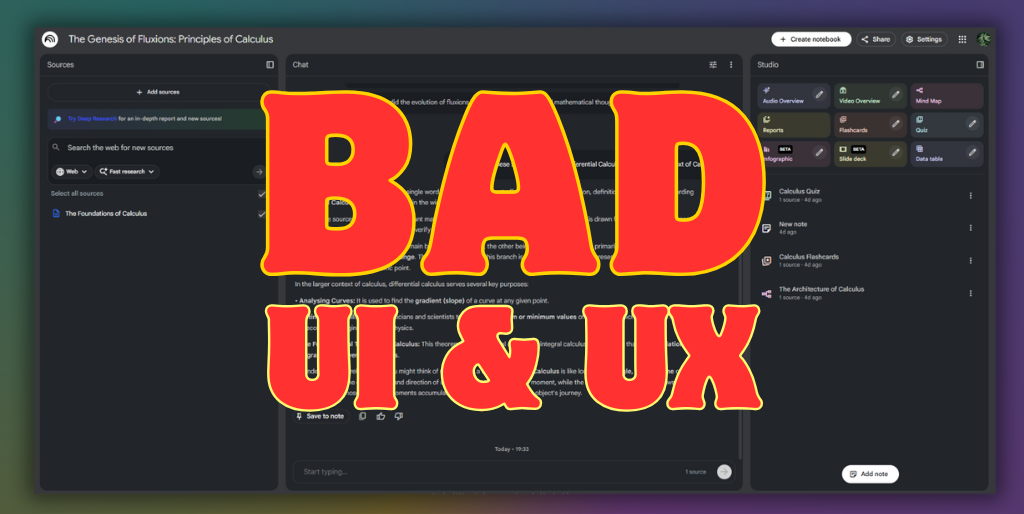
If you really want to learn with AI, whether for studying or acquiring new skills, here are my favorite alternatives to NotebookLM.
1. Boterview: Best NotebookLM Alternative for Passive Learning
To fix the issues about Notebook LM, I created boterview.
Think of boterview as Duolingo, except the courses are generated from your prompts.
Contrary to NotebookLM, boterview has a "learning by doing" approach (rather than passive reading) really helps me memorize better.
With boterview, I can prompt what I want to learn (for example, "Vectors course for beginners") and the AI tutor will create suitable units, lessons, and interactive challenges.
Here is how the course looks like once it is generated:
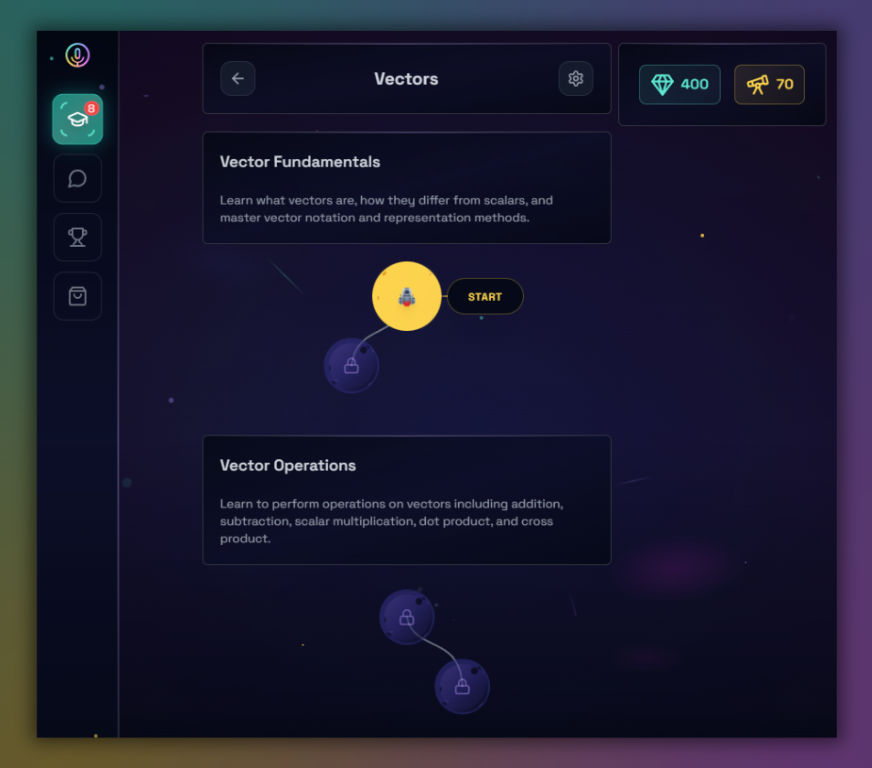
For each lesson, boterview offers me quizzes and flashcards to reinforce what I've learned.
For example, here is a true/false challenge that was generated by AI for my course:
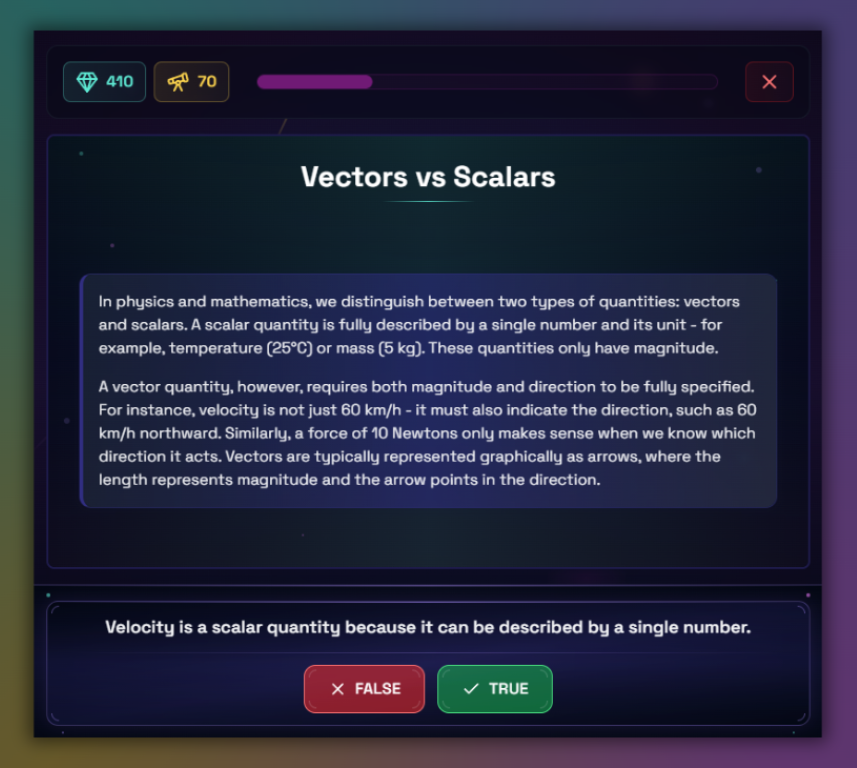
Of course, there are several types of challenges. I particularly appreciated the multiple-choice format, as it allowed me to internalize the material much more quickly:
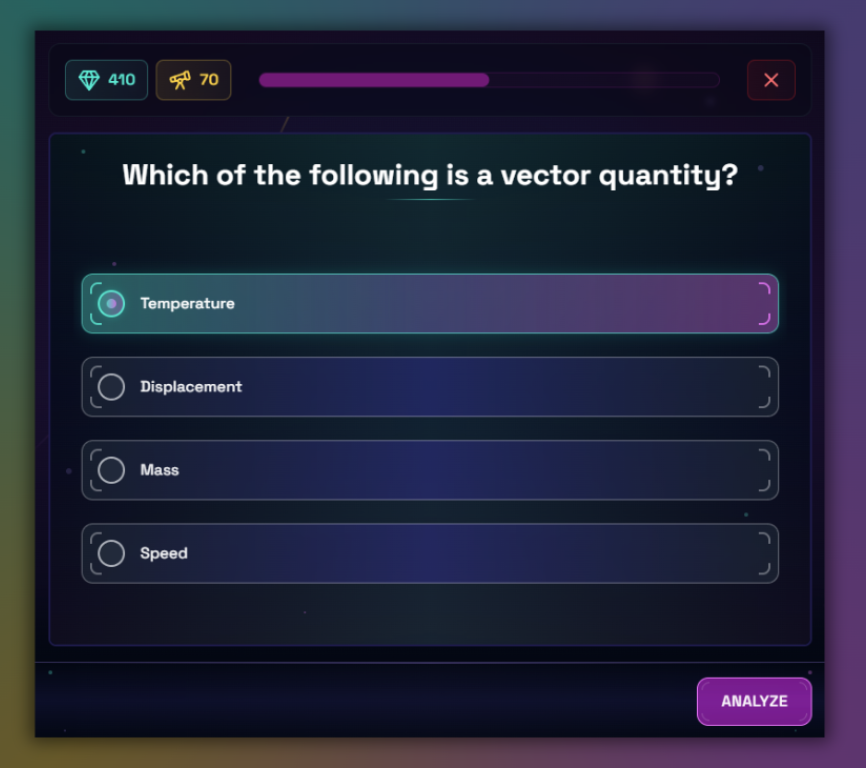
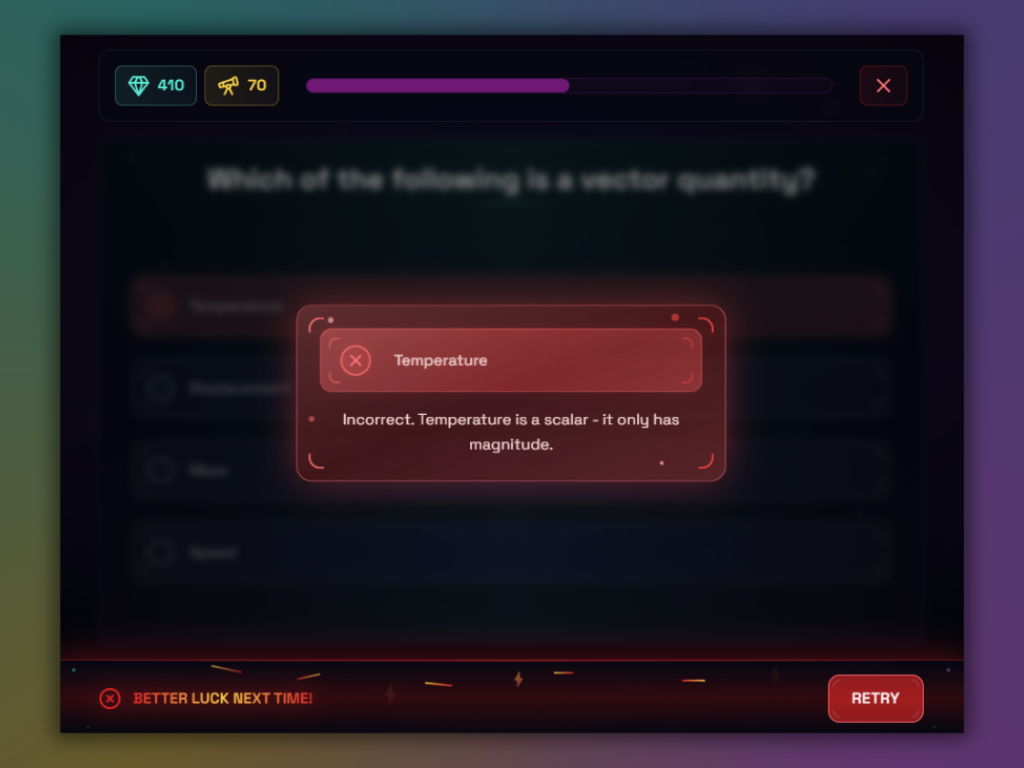
Another feature I love about boterview that Google's Notebook LM does not have is the feedback feature.
Every time I submit an answer, the AI explains what I got right and where I went wrong:
Keep in my that built Boterview to solve the main problem I had with NotebookLM: it treats learning as mere passive consumption.
True understanding, is acquired through action, repetition, and feedback loops.
By combining structured learning paths, fun challenges, and immediate AI-powered feedback, boterview transforms any subject into an interactive lesson!
2. RemNote: Best NotebookLM Alternative Flashcards
Just like NotebookLM, RemNote is first and foremost a notetaking app.
But, it's a note taking tool that actually designed to help you learn.
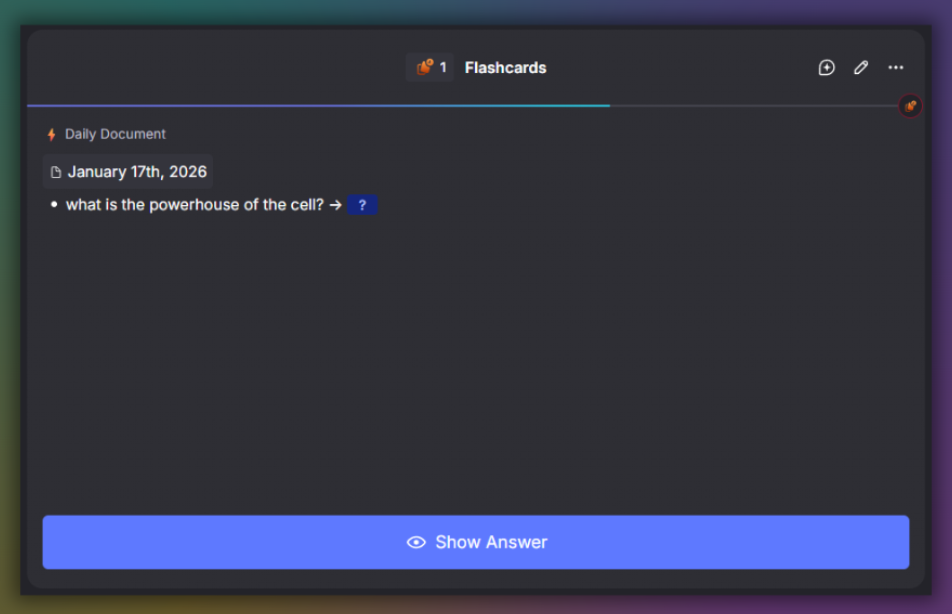
What I like about RemNote is the ability to create personalized flashcards from the notes I've taken.
Here is how those flashcards look like:
What I like about RemNote is that, unlike Goolge's NotebookLM, it is oriented towards students and exam preparation.
For example, I can set a target exam date and RemNote will tell me “exactly what to study each day”.
It uses spaced repetition, so cards resurface at optimal intervals for memory retention.
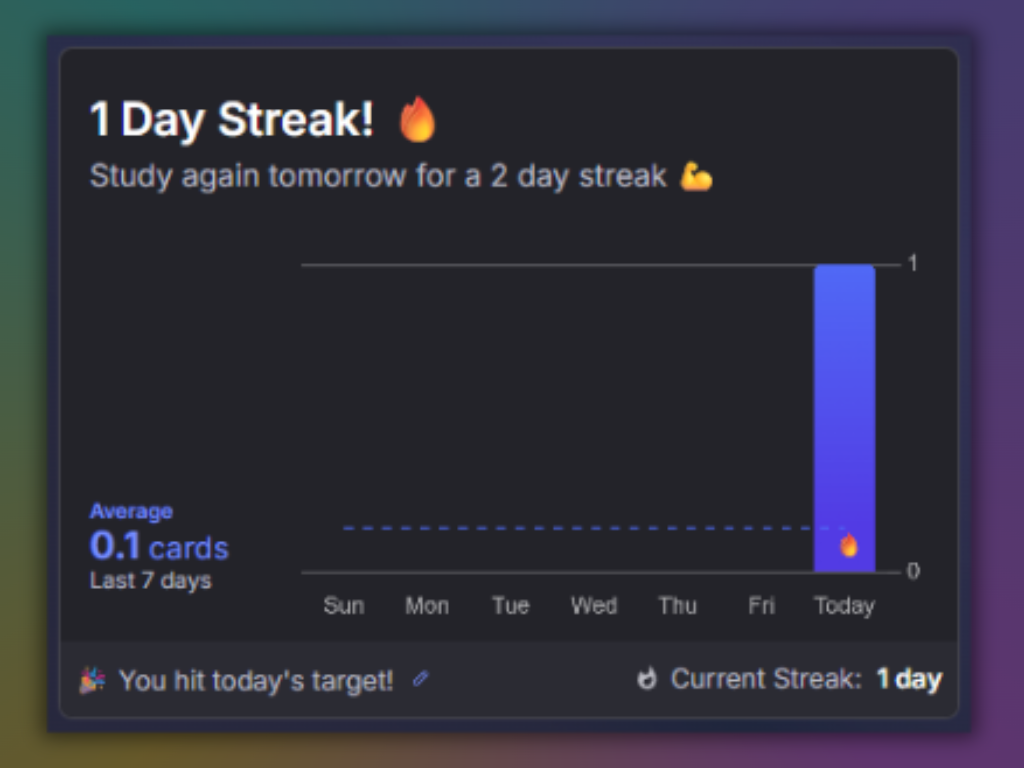
There are also streaks to gamify the experience and motivate you to study even more:
Overall, RemNote excels where NotebookLM falls short in terms of learning.
Instead of being a passive note-taking tool, it transforms your notes into an active learning system focused on memorization, repetition, and long-term retention.
If your goal is exam preparation or in-depth study, and you're looking for a tool that tells you what and when to study, RemNote is a far better alternative to NotebookLM.
3. MyMind: Best NotebookLM Alternative for Smart Note-Taking
Unlike NotebookLM, MyMind is a personal knowledge hub designed to help you remember everything.
Think of MyMind as a your second brain.
What I like about MyMind is how effortless it feels.
I can save articles, notes, images, highlighted passages, bookmarks, or random thoughts, and the AI automatically organizes everything for me.
Here is how a saved note looks like in MyMind:

Unlike NotebookLM, where I often have to carefully consider what I download and how I access it, MyMind works discreetly in the background.
I simply save my ideas as I go, and the AI takes care of categorizing, tagging, and linking them.
I particularly appreciate the powerful search function. Instead of folders, MyMind allows me to easily find information using intuitive search and visual cues.
The only downside is that MyMind is paid and quite expensive for a note-taking app ($8 per month currently).