How to Learn a Subject From Zero: 5 Steps That Work

Starting a subject from zero is uncomfortable: you don't know the vocabulary, the big ideas, or even what you don't know.
Most beginners respond by watching hours of videos, which feels like progress and leaves very little behind.
I've learned several subjects from scratch while building an active learning app, and the method matters far more than the hours.
Here are the 5 steps that actually work, each backed by research.
1. Get a Guided Map of the Subject First
Before diving into details, get a structured outline of the subject: the main topics, in the order they build on each other.
A good textbook's table of contents or an introductory course syllabus is enough. If even that feels overwhelming, start with these steps for when you don't know where to start.
As a beginner, you need more structure than you think: the expertise reversal effect, described by Slava Kalyuga, John Sweller and colleagues in 2003, shows that guidance which helps novices can become useless for experts, and vice versa.
Exploring freely works once you have the basics, not before.
In boterview, you type the subject you want to learn, and the app generates a complete course that starts from the basics:
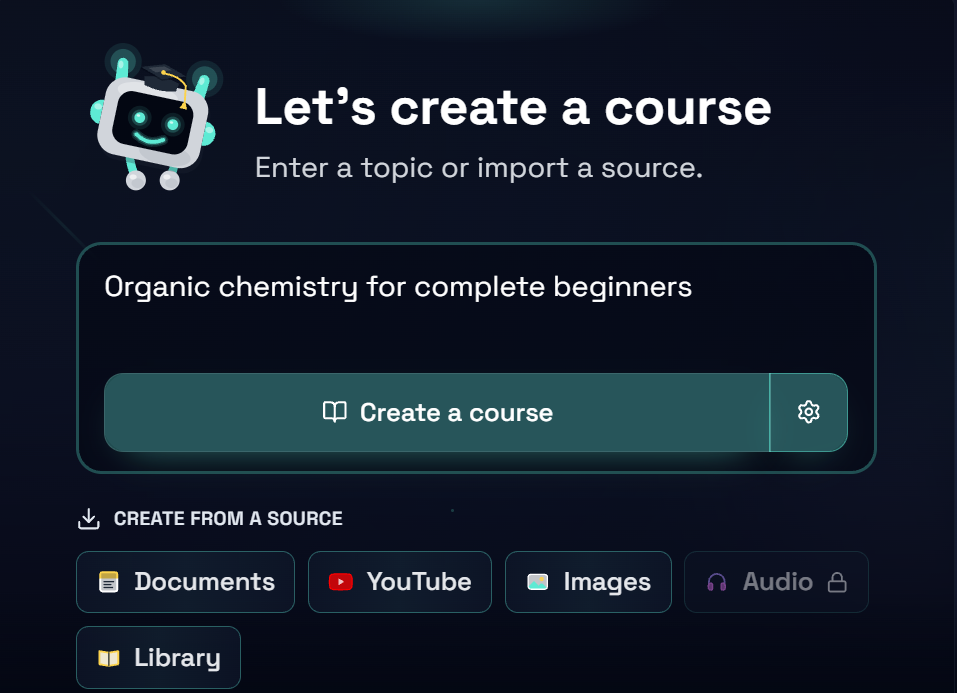
Want a structured course on any subject in a few seconds? Here's the app I built:
2. Learn Actively From the First Day
For every 10 minutes of reading or watching, spend at least 10 minutes answering questions, solving problems, or explaining what you just saw.
Don't wait until you "know enough" to practice: practice is how you get to know enough.
A 2014 meta-analysis by Scott Freeman and colleagues compared 225 studies of undergraduate science courses.
Students in traditional lectures were 1.5 times more likely to fail than students in courses with active learning:
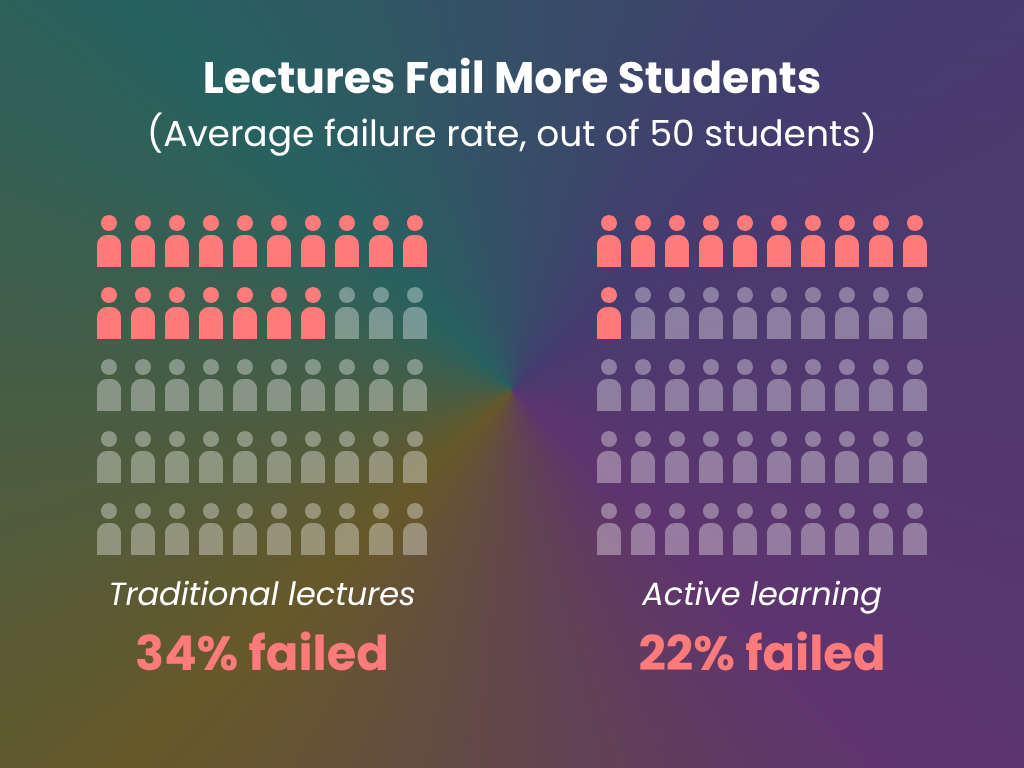
The failure rates were 33.8% under lecturing versus 21.8% with active learning.
Passive input feels efficient when you're new, but it's the least efficient way to start.
3. Explain It in Your Own Words
After each lesson, explain the main idea out loud or in writing, as if you had to teach it to a friend tomorrow.
In a 2014 study by John Nestojko, Dung Bui, Nate Kornell and Elizabeth Bjork, students who expected to teach a passage recalled more of it, organized it better, and answered more questions about its main points than students who expected a test.
None of them actually taught: preparing to teach was enough to change how they studied.
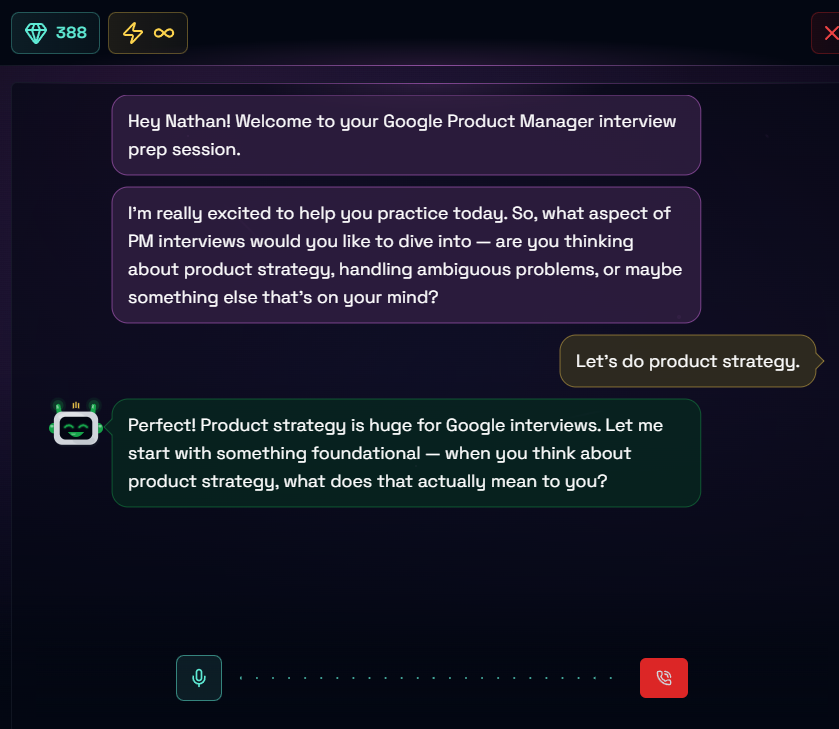
This is why boterview has Socratic conversations, where the AI asks you to explain a topic in your own words and follows up on what you say:
4. Expect It to Feel Hard
When you start a subject from zero, you'll get many answers wrong, and each mistake is the most useful part of the session.
In a 2019 experiment at Harvard, Louis Deslauriers and colleagues found that physics students in active classes learned more, but felt they had learned less than students in polished lectures.
The extra effort was being misread as a sign of poor learning.
If studying feels easy, you're probably recognizing things, not learning them.
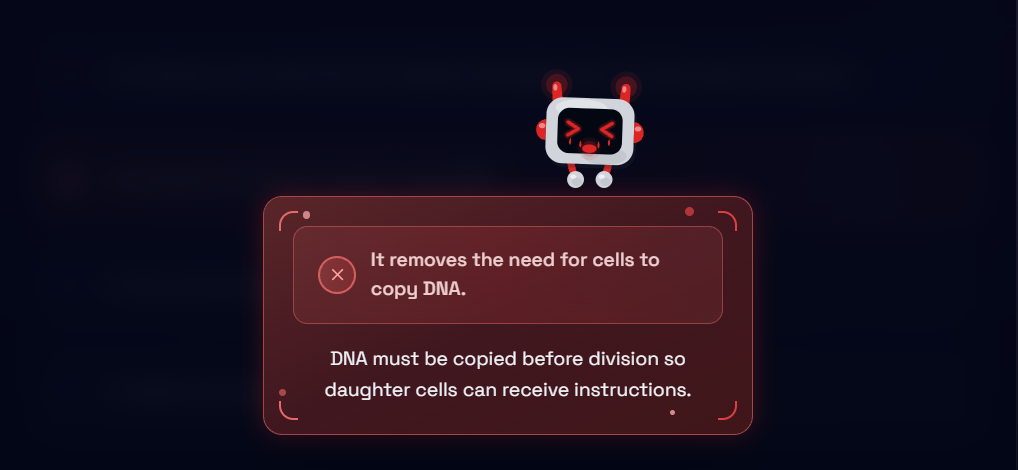
In boterview, a wrong answer is never just marked red: it comes with a short explanation of what went wrong, the way an AI tutor would answer:
5. Review Before You Forget
Review new material the next day, then after a few days, then after a week or two.
In a 2015 replication of Ebbinghaus's forgetting curve, Jaap Murre and Joeri Dros confirmed that forgetting is fastest right after learning and slows down over time.
In my experience, each review takes less time than the previous one, because there's less to relearn.
When you're starting from zero, this matters even more: every new lesson builds on the vocabulary of the previous ones.
Boterview turns a topic or a document into flashcards and schedules them for you, so you review each concept before you forget it (I compared the best tools for this in my AI flashcard maker article):