7 Workplace Communication Statistics to Know for 2026

Workplace communication is not neutral: it distributes power.
Some professionals are heard and others are not.
This is why whether you're leading a meeting, writing an email, or conducting an interview, your ability to communicate clearly in the workplace can make or break your career.
Let's discuss the latest workplace communication statistics!
Key Workplace Communication Statistics
- 91% of employees believe that their managers are not good communicators
- Knowledge workers report spending approximately 20 hours a week on written communication
- 57% of employees identified “unnecessary” meetings as the most frequent obstacle to productivity
Also Read: Body Language Statistics and Emotional Intelligence Statistics.
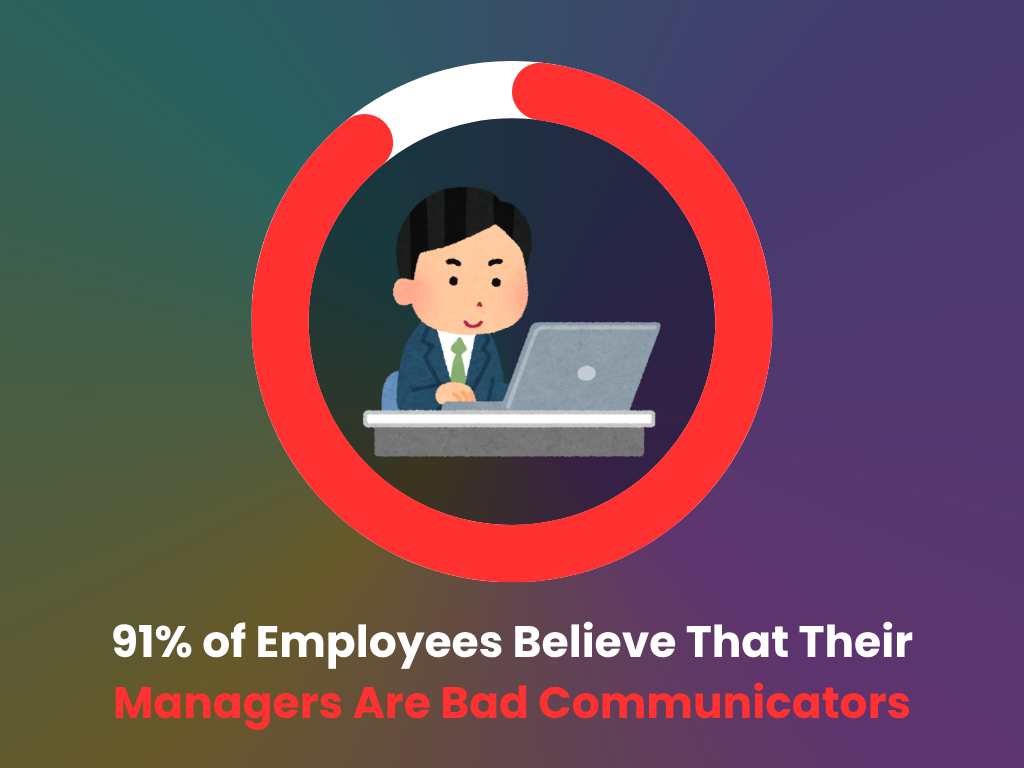
91% of Employees Believe That Their Managers Are Bad Communicators (Inc.)
A survey reported by Inc. found that 91% of employees believe their managers lack strong communication skills.
In my experience, more effective communication from managers allows them to better align expectations, build trust, and significantly improve job satisfaction.
Businesses Lose $1.2 Trillion Annually Due to Ineffective Communication (Grammarly)
A report titled “The State of Business Communication,” published by Grammarly in partnership with The Harris Poll, estimates that U.S. companies lose roughly US$1.2 trillion annually due to poor communication.
The scale of these losses underscores that ineffective communication is not merely a minor human resources issue, but has significant financial consequences, including lost productivity, missed business opportunities, and increased staff turnover.
The report also indicates that teams lose the equivalent of nearly a full workday (approximately 7.47 hours) each week specifically due to communication problems.
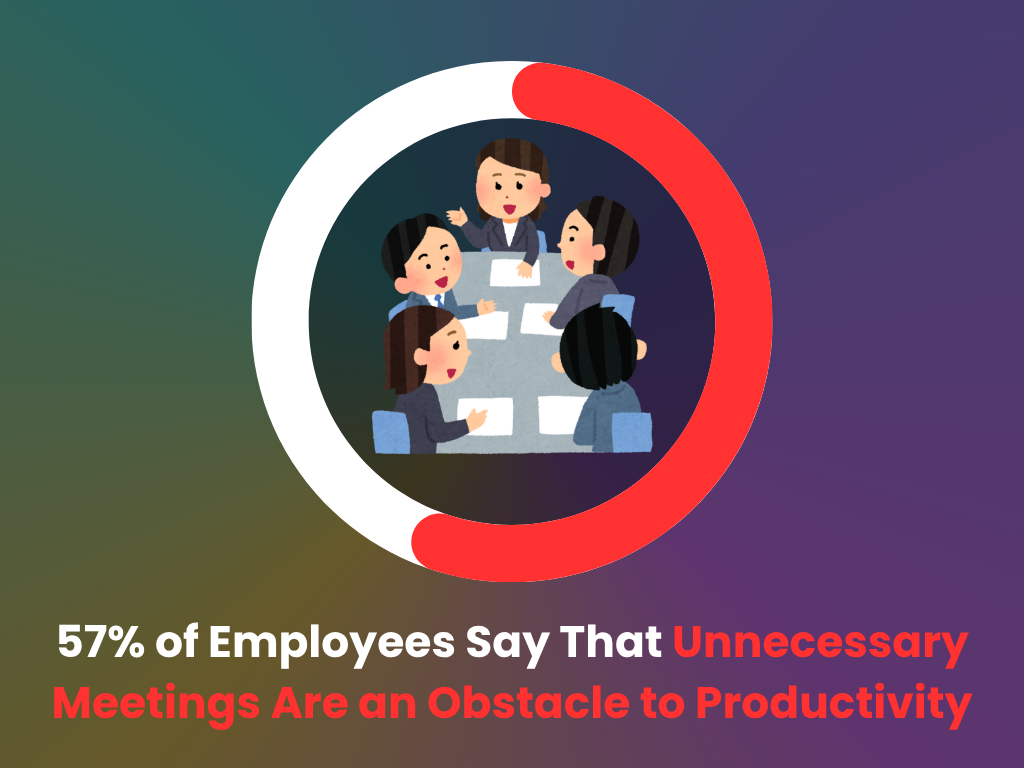
57% of Employees Identified “Unnecessary” Meetings as the Most Common Obstacle to Productivity (OECD)
An analysis of a database published by the OECD showed that 57% of employees identified unnecessary meetings as the most common barrier to productivity.
Being able to manage your time effectively, prioritize important tasks, and communicate concisely can set you apart from others.
It's not just about technical skills or experience, but also about how you manage structural inefficiencies within the work environment.
Communication Is THE Most Sought-After Skill, According to Employers (LinkedIn)
According to LinkedIn's Most In-Demand Skills Report, communication tops the list of skills that employers are currently looking for.
The fact that communication is at the top of the list means that employers prioritize candidates who can effectively convey ideas, collaborate, listen, and engage, indicating that technical skills alone may no longer be enough.
Knowledge Workers Report Spending Approximately 20 Hours a Week on Written Communication (Grammarly)
A report by Grammarly found that knowledge workers in U.S. organisations spend about 19.93 hours per week on written communication.
Personally, I am a strong advocate of written communication and I do not consider it a secondary skill, but rather an essential professional skill.
Employees Spend 16 Full Working Days per Year in Meetings (Flowtrace)
According to Flowtrace's State of Meetings report, the average employee spends 392 hours per year in meetings, which is equivalent to more than 16 full workdays.
Spending more than 16 working days a year in meetings is a waste of time, which risks leaving less time for in-depth work, focused tasks, or strategic thinking.
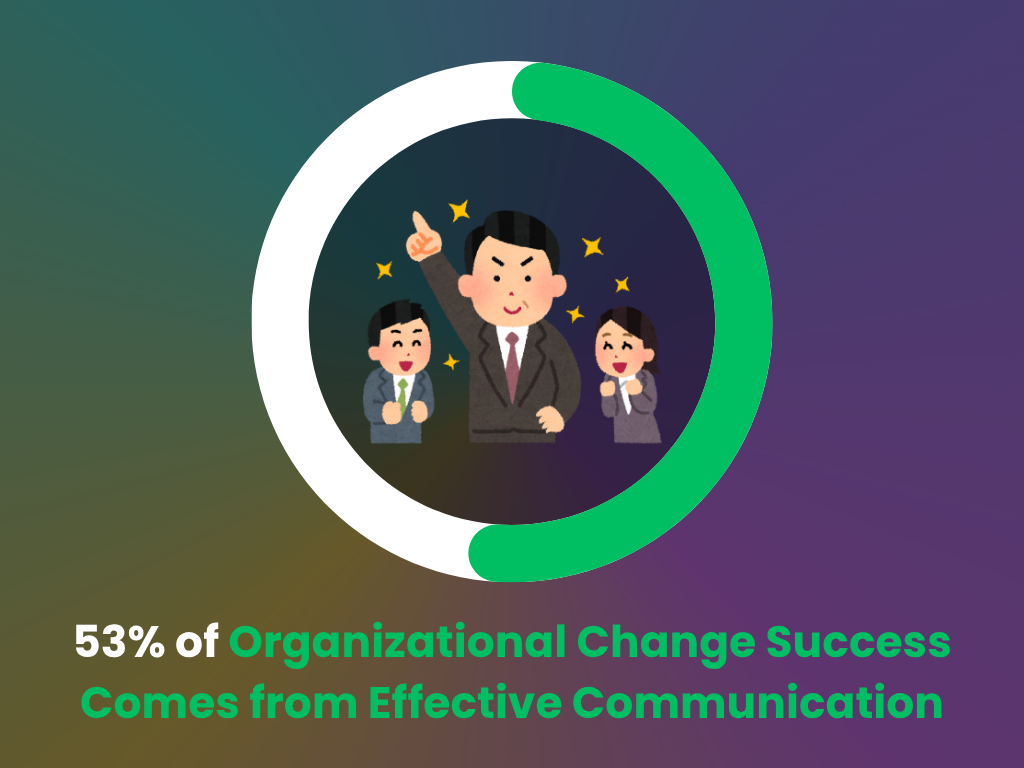
53% of Organizational Change Success Comes from Communicating Mission, Vision, and Goals Effectively (IJBC)
A study published in the International Journal of Business Communication found that effective communication of an organisation’s Mission, Vision and Goals (MVG) is the strongest single predictor of successful change management, contributing 53.43% of the variance in change success.
This statistic highlights that technical plans and standardized processes are far less important if people don't understand the overall situation.
Investing in communication is not an option; it's fundamental.